

WAiSCH Logo
Branchenplattform Bau- & Infrastruktur­branche
Über uns Preise Kontakt
WAiSCH
Branchen So funktioniert WAiSCH
Login
WAiSCH
Login
Firmenprofil erstellen
So funktioniert's
Über uns
Preise
Kontakt
AGB
Impressum
Datenschutz

Branchen der Industrie

Bau & Infrastruktur
Druck & Papier
Elektrotechnik
Energie & Umwelt
Holz
Kunststoff
Metall
Transport & Logistik
Verpackung

Weitere Branchen

Beauty & Gesundheit
Bekleidung & Mode
Bildung & Coaching
Blumen & Garten
Chemie & Pharma
Design & Medien
Entsorgung & Recycling
Facility Management
Ferien & Reisen
Finanzen & Versicherungen
Freizeit & Unterhaltung
Gastronomie
Hotellerie
Immobilien
Informatik & Web
Landwirtschaft
Lebensmittel
Marketing
Maschinenbau
Möbel & Einrichtung
Mobilität
Schmuck & Uhren
Sicherheit
Unternehmensberatung
  1. Luoyang Fudau Biotech Co., Ltd.
  2. News
  3. Effective Strategies for Addressing Mycoplasma Contamination in Cell Culture Fla

Effective Strategies for Addressing Mycoplasma Contamination in Cell Culture Fla

News
Kunststoff
Innovation
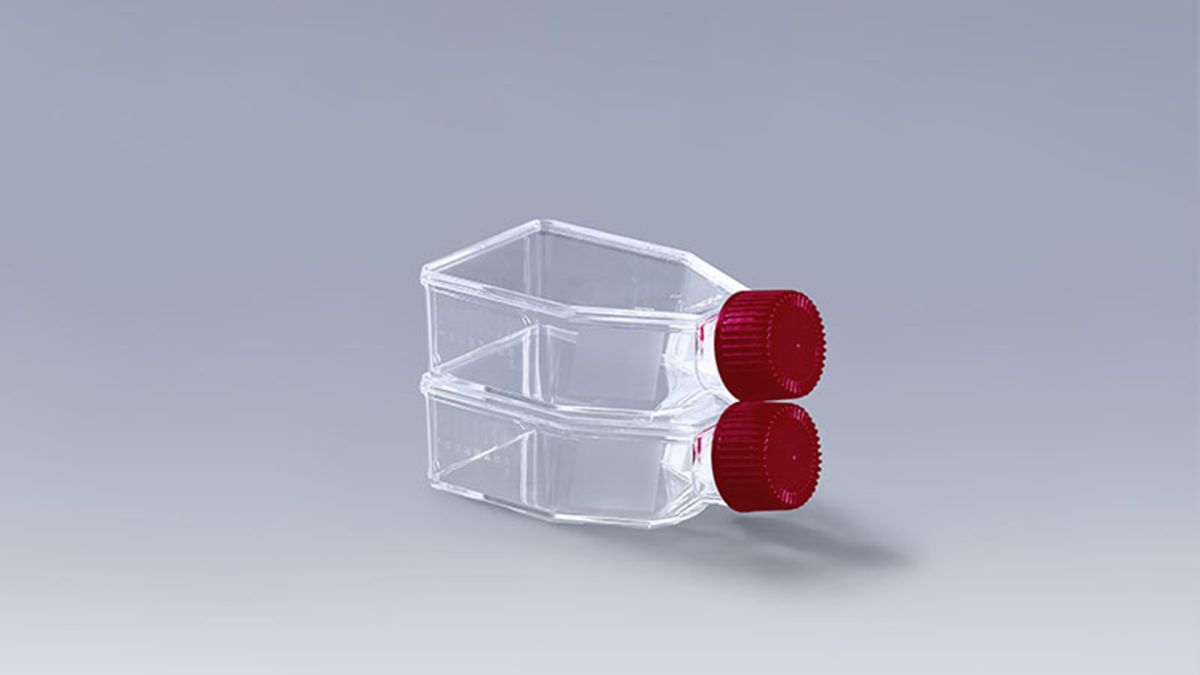
Mycoplasma contamination is a common and troublesome issue in cell culture using flasks. Mycoplasma not only affects cell growth and function but may also lead to inaccuracies in experimental results. Therefore, early identification and effective management of mycoplasma contamination are crucial.
  • @T25 TC-treated Cell Culture Flask

    Mycoplasma contamination is a common and troublesome issue in cell culture using flasks. Mycoplasma not only affects cell growth and function but may also lead to inaccuracies in experimental results. Therefore, early identification and effective management of mycoplasma contamination are crucial.

    I. Identifying Signs of Mycoplasma Contamination

    Mycoplasma contamination typically exhibits the following characteristics:

    1.Cell Morphology and Medium Condition: There are usually no obvious changes in cell morphology, and the culture medium does not appear significantly turbid. Mycoplasma can coexist with cells, which may still appear healthy.

    2.Impact on Experimental Results: Using mycoplasma-contaminated cells for experiments can inhibit cell growth and even cause chromosomal abnormalities. Changes in the antigenicity of the cell membrane may affect the reproducibility and accuracy of experimental results.

    3.Effects on Cell Metabolism and Function: Mycoplasma activity consumes arginine in the culture medium, hindering the synthesis of proteins, DNA, rRNA, and mRNA in cells. Mycoplasma may also alter medium composition by producing acidic substances, disrupting normal cell metabolism.

    4.Changes in Culture Conditions: Cells become fragile during cultivation, and the pH of the medium changes noticeably, necessitating frequent replacement with fresh medium. Mycoplasma can form symbiotic systems, leading to the continuous spread of contamination.

    II. Strategies for Managing Mycoplasma Contamination

    1.Immediate Isolation and Handling:

    Upon detecting signs of mycoplasma contamination in cell culture flasks, immediately discontinue the use of contaminated cell lines and culture materials, and isolate them to prevent further spread.

    2.Replacing Culture Conditions:

    The culture medium in flasks containing contaminated cell lines must be thoroughly replaced to ensure a sterile environment.

    3.Disinfection and Cleaning:

    Perform thorough disinfection and cleaning of potentially contaminated workspaces and experimental equipment to prevent mycoplasma recurrence.

    4.Cell Line Verification:

    Validate the cell lines used to ensure they are free from mycoplasma or other microbial contamination.

    5.Strict Aseptic Techniques:

    Adhere strictly to aseptic techniques and operational protocols in all cell culture-related procedures to minimize contamination risks.

    6.Regular Monitoring and Training:

    Conduct regular monitoring of the sterility of cell cultures and provide periodic training on aseptic techniques to personnel to enhance operational standards and skills.

    Mycoplasma contamination can seriously affect cell growth and experimental outcomes in cell culture flasks, making prevention and early detection essential. Through strict aseptic practices, timely contamination management, and appropriate cleaning and disinfection measures, the risks associated with mycoplasma contamination can be effectively reduced, ensuring the quality of cell culture and the accuracy of experiments.

    Cell Culture Flasks
    CELL-CULTURE-FLASKCELL-CULTURE-FLASKSTISSUE-CULTURE-FLASKS
    Diese News wurden am Mittwoch, 10. September 2025, von der Firma Luoyang Fudau Biotech Co., Ltd. auf WAiSCH publiziert.
    China
    Hersteller
    Luoyang Fudau Biotech Co., Ltd. - WAiSCH

    Luoyang Fudau Biotech Co., Ltd.

    471000 RM 101, 3RD BUILDING, NO.25, YUWENKAI STREET,

    Das könnte Sie ebenfalls interessieren

    • News
      Kunststoff
      Unternehmen

      INNOTEQ 2023: Nachhaltige Swissness für die MEM-Industrie

      INNOTEQ 2023: Nachhaltige Swissness für die MEM-Industrie - WAiSCH

      WAISCH Group GmbH

      Publiziert am 10. März 2023
      In diesen Tagen findet in den Hallen der BERNEXPO die INNOTEQ statt. Unser CEO berichtet live vom Branchentreffpunkt der Schweizer MEM-Industrie.
      INNOTEQ 2023: Nachhaltige Swissness für die MEM-Industrie - WAiSCH
    • News
      Kunststoff
      Medien

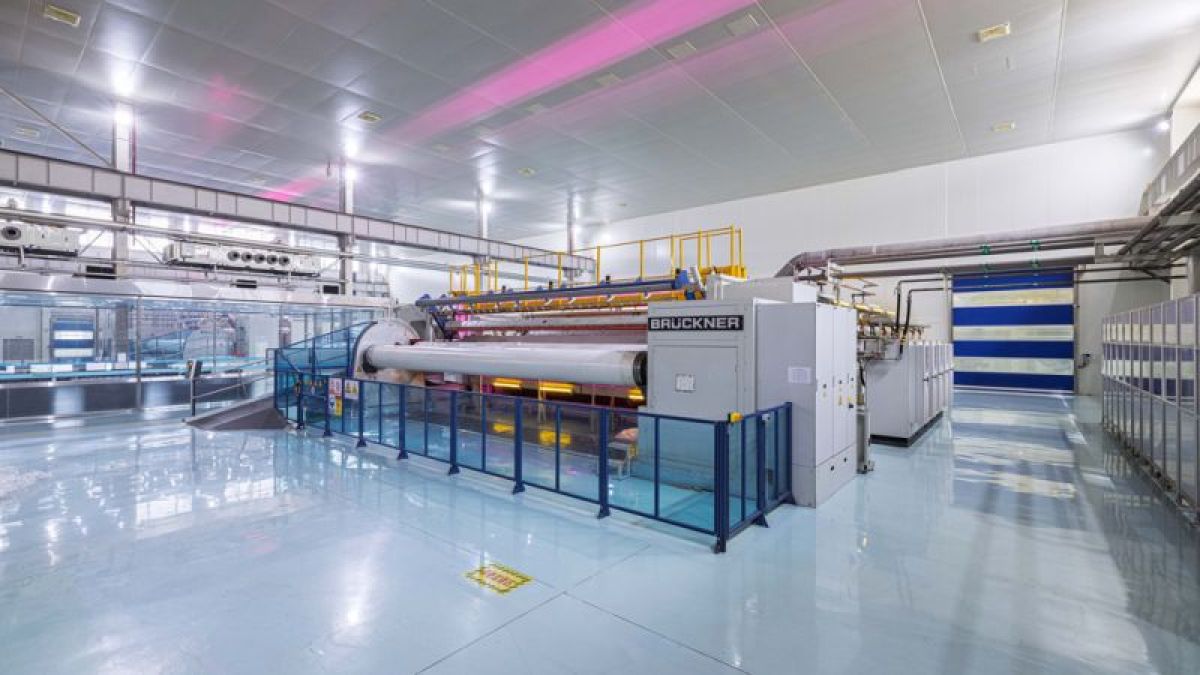
      Coperion: Ausbau der Partnerschaft mit Brückner

      Coperion: Ausbau der Partnerschaft mit Brückner - WAiSCH

      Kunststoff-Schweiz

      Publiziert am 21. August 2025
      Brückner Maschinenbau, weltweit führender Hersteller von Anlagen für Kunststoff-Streckfolien, beauftragt Coperion erneut mit einem Mengenkontrakt über ZSK Doppelschneckenextruder der Baureihe ZSK Mc¹⁸.
      Coperion: Ausbau der Partnerschaft mit Brückner - WAiSCH
    News der Firma Luoyang Fudau Biotech Co., Ltd.
    WAiSCH
    Wir machen Unternehmen sichtbar
    in Branchen, Suchmaschinen und KI-Systemen
    • Über uns
    • Preise
    • Firmenprofil erstellen
    • Zum Login
    • AGB
    • Impressum
    • Datenschutz
    • Kontakt
    swissmadesoftware
    • © 2026 WAiSCH
    • WAISCH Group GmbH
    • Alle Rechte vorbehalten