News
Kunststoff
Unternehmen
INNOTEQ 2023: Nachhaltige Swissness für die MEM-Industrie



Efficient medium exchange is a critical step in large-scale adherent cell culture. In multilayer systems, proper nutrient replenishment and waste removal directly affect cell viability, growth kinetics, and overall production performance.
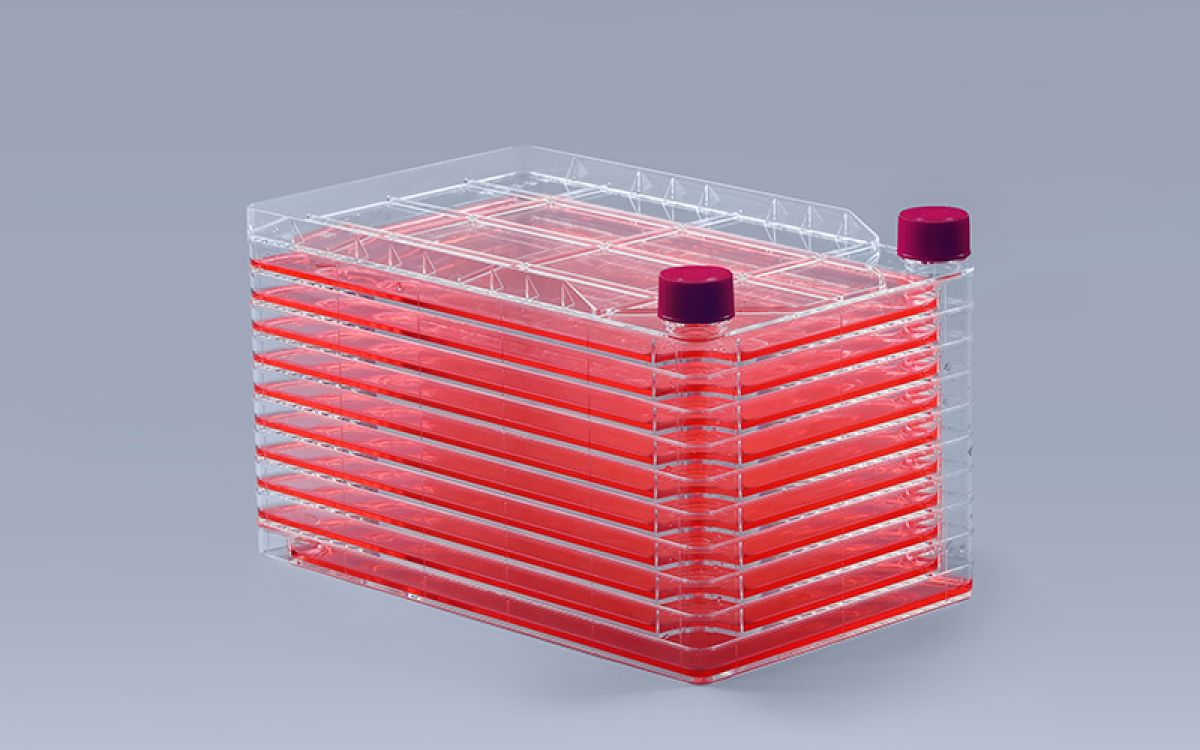
While medium exchange in small culture vessels is relatively straightforward, the process becomes significantly more complex in a Multilayer Cell Factory. Understanding the challenges and implementing appropriate strategies are essential to maintaining consistency and scalability.
Why Medium Exchange Matters in Multilayer Systems
In any Cell Factory, cells rely on a stable supply of nutrients, growth factors, and oxygen, while metabolic byproducts such as lactate and ammonia must be effectively removed. As culture duration increases, the composition of the medium gradually shifts, which may impact cell proliferation and productivity.
In a Multilayer Cell Factory, the large surface area and stacked configuration introduce additional variables:
Potential nutrient gradients between layers
Differences in oxygen availability
Variations in liquid distribution during filling and removal
Increased risk of disturbing attached cells during handling
These factors make medium exchange a key control point during scale-up and routine production.
Common Challenges During Medium Exchange
1. Uneven Liquid Distribution
Improper handling during filling can result in inconsistent medium volumes across layers. Uneven distribution may lead to variable cell growth, particularly in high-layer configurations.
Best practice:
Ensure the Cell Factory is placed on a stable, level surface during filling. Controlled flow rates help maintain uniform distribution and minimize turbulence.
2. Excessive Shear Stress
Rapid aspiration or forceful liquid introduction can generate shear forces that disturb adherent cells. This risk becomes more significant in large Multilayer Cell Factory systems where higher volumes are involved.
Best practice:
Use controlled, steady flow during both removal and addition of medium. Avoid sudden pressure changes that may disrupt cell attachment.
3. Incomplete Removal of Spent Medium
Residual spent medium can dilute fresh nutrients and reduce the effectiveness of the exchange process. Inconsistent removal may also contribute to metabolic accumulation over time.
Best practice:
Allow sufficient drainage time and confirm complete removal before introducing fresh medium. Standardized timing protocols help improve reproducibility across batches.
4. Increased Contamination Risk
As scale increases, the number of handling steps may also increase. Each intervention introduces potential contamination risk.
Best practice:
Whenever possible, implement closed or semi-closed handling systems compatible with the Cell Factory design. Standard operating procedures and operator training are essential for maintaining sterility.
Optimizing Medium Exchange Frequency
The optimal exchange interval depends on:
Cell type
Seeding density
Culture duration
Metabolic activity
Highly proliferative cells may require more frequent exchanges, while slower-growing lines may tolerate longer intervals. Monitoring cell morphology, pH shifts, and metabolic indicators provides valuable guidance in determining the appropriate schedule.
In many production environments, empirical validation is used to define the exchange frequency specific to each process. Establishing a validated medium exchange strategy ensures predictable performance in Multilayer Cell Factory applications.
Supporting Consistency in Large-Scale Culture
As cell-based manufacturing continues to expand in vaccines, viral vectors, and biologics production, maintaining consistency across scale becomes increasingly important. Medium exchange is not merely a routine operation—it is a strategic parameter that directly influences process stability.
By understanding the fluid dynamics, oxygen considerations, and operational factors unique to a Multilayer Cell Factory, manufacturers can significantly reduce variability and improve overall culture outcomes.
Thoughtful medium exchange planning ultimately supports robust, scalable performance in modern Cell Factory-based production systems.