

News
Kunststoff
Unternehmen
INNOTEQ 2023: Nachhaltige Swissness für die MEM-Industrie


Quality control plays a critical role in the manufacturing of cell culture consumables. In research laboratories and biopharmaceutical production environments, reliable culture vessels are essential for maintaining consistent cell growth and reproducible experimental results.
Products such as cell culture flasks, cell factories, Erlenmeyer shake flasks, and media bottles are used extensively in cell culture workflows. Even minor variations in material properties, surface treatment, or manufacturing processes can affect cell attachment, growth behavior, and overall culture performance.
For this reason, robust quality control systems are essential to ensure that cell culture consumables meet the standards required by laboratories and regulated industries.
Raw Material Qualification
Quality control begins with the selection and verification of raw materials.
Most cell culture flasks and cell factories are produced from high-quality polystyrene or similar polymers. The material must meet strict requirements for purity, transparency, mechanical strength, and compatibility with surface treatment processes.
Manufacturers typically implement incoming material inspection procedures to verify:
Polymer composition and consistency
Optical clarity
Mechanical stability
Compatibility with tissue-culture surface treatment
Stable raw materials provide the foundation for reliable cell culture consumables.
Precision Manufacturing Processes
Injection molding is a key step in producing many culture vessels, including cell culture flasks, square media bottles, and components of cell factory systems.
Small variations in molding temperature, pressure, or cooling conditions may influence surface smoothness, dimensional accuracy, and structural integrity. For this reason, manufacturers must maintain strict process control and use precision molds to ensure consistent product geometry.
Advanced manufacturing equipment and validated production parameters help maintain stable product quality across different batches.
Surface Treatment and Cell Attachment Performance
For adherent cell culture, surface treatment is one of the most critical factors affecting performance.
Most cell culture flasks and cell factory systems use tissue-culture-treated surfaces to promote cell attachment. This treatment increases surface hydrophilicity and enables proteins and cells to adhere more effectively.
Quality control procedures for surface treatment typically include:
Monitoring treatment parameters
Surface energy verification
Performance validation through cell culture testing
Consistent surface treatment ensures that cells attach and grow reliably across production batches.
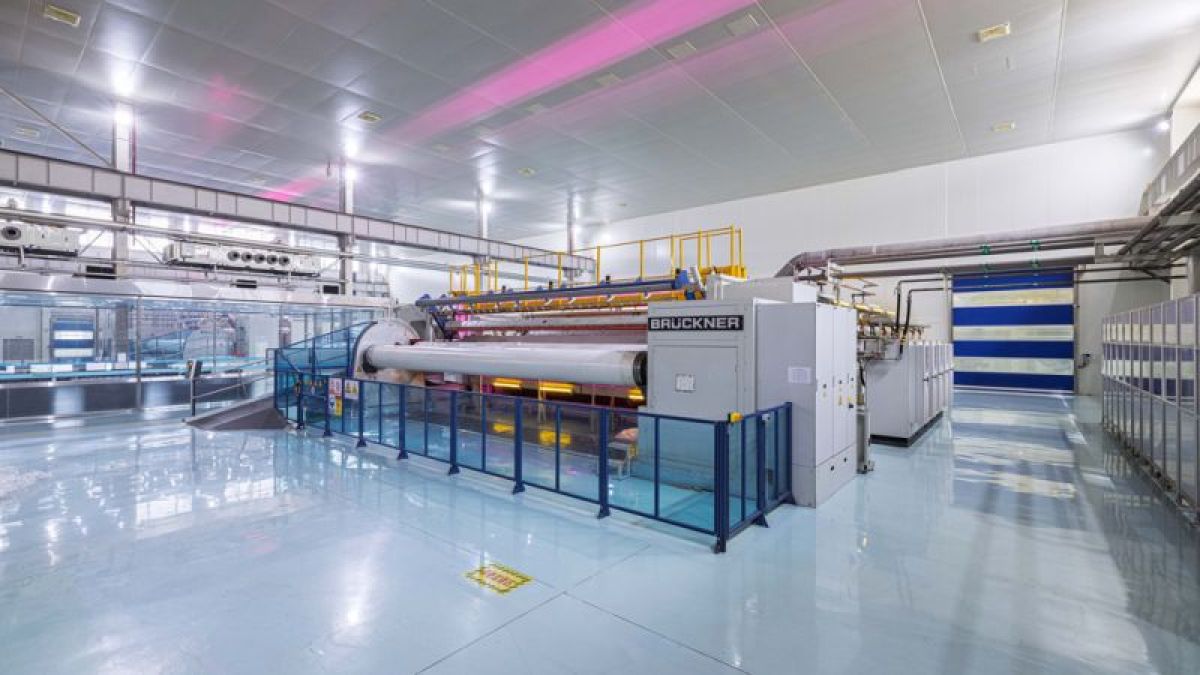
Cleanroom Production Environment
Environmental control during production also contributes to product quality.
Many manufacturers produce cell culture consumables in controlled cleanroom environments to minimize particulate contamination and ensure stable manufacturing conditions.
Cleanroom production is particularly important for products used in sensitive biological applications, including:
Cell culture flasks for adherent cell growth
Erlenmeyer shake flasks used in suspension cell culture
Cell factory systems for large-scale cell expansion
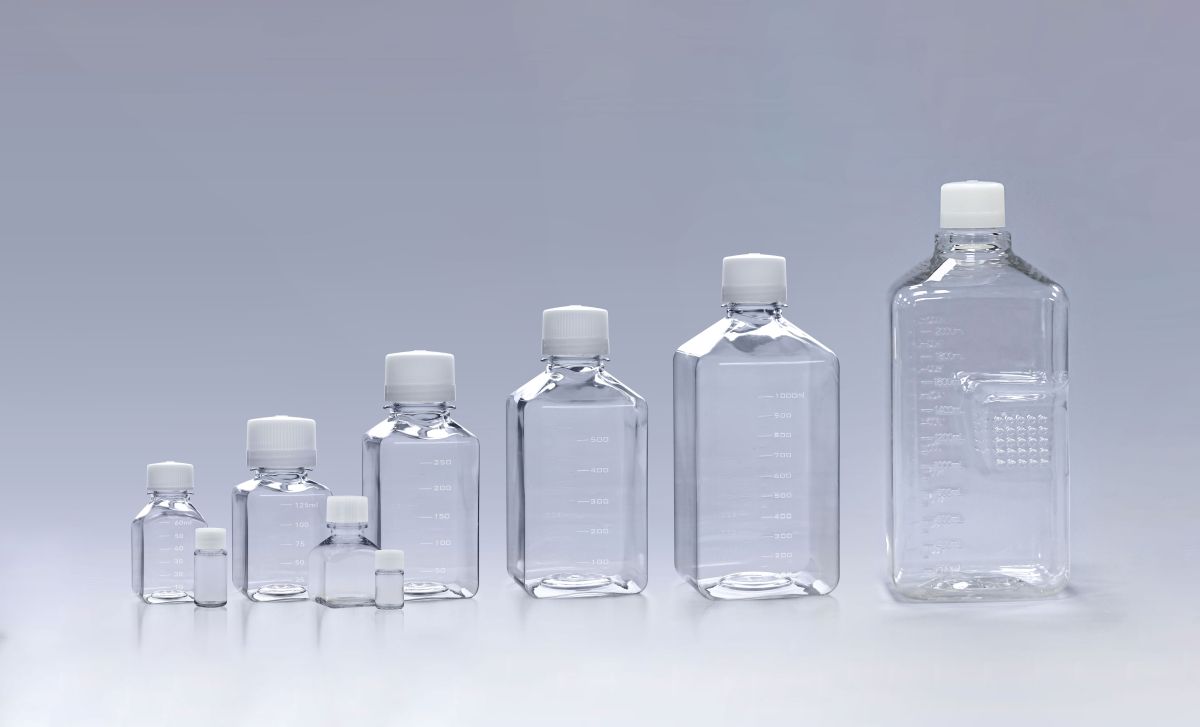
Media bottles used for sterile media storage
Controlled environments help reduce contamination risks and maintain product consistency.
Inspection, Testing, and Batch Traceability
Comprehensive inspection procedures are essential for maintaining quality across production lots.
Quality control systems typically include:
Dimensional inspection
Visual inspection for surface defects
Leak testing where applicable
Sterility validation for sterile products
Documentation of batch records
Batch traceability allows manufacturers to track each production lot from raw material sourcing through final shipment. This system ensures transparency and supports quality investigations if deviations occur.
Maintaining Consistency Across Product Lines
While quality control is often discussed in relation to cell culture flasks, the same principles apply across a wide range of laboratory consumables.
Products such as Erlenmeyer shake flasks, multi-layer cell factory systems, and square media bottles must all maintain consistent manufacturing standards to ensure reliable performance in cell culture workflows.
By implementing strict quality management systems and standardized manufacturing processes, suppliers can help laboratories maintain stable and reproducible culture conditions.
Conclusion
Quality control is fundamental to the reliable production of cell culture consumables. From raw material qualification and precision manufacturing to surface treatment validation and batch traceability, each stage of the production process contributes to the performance and consistency of culture vessels.
For laboratories and biopharmaceutical manufacturers, selecting suppliers with robust quality control systems helps reduce variability and ensures dependable performance when using cell culture flasks, cell factories, Erlenmeyer shake flasks, and other essential culture vessels.
Supporting Reliable Cell Culture Workflows
At FDCELL, quality management and controlled manufacturing processes are integral to the production of our cell culture consumables. Our facilities operate under certified quality systems with strict production control, helping ensure consistent performance across products such as cell culture flasks, cell factory systems, Erlenmeyer shake flasks, and media bottles.
By focusing on stable manufacturing processes and comprehensive quality control, we aim to support laboratories and biopharmaceutical partners in achieving reliable and reproducible cell culture results.