

News
Kunststoff
Unternehmen
INNOTEQ 2023: Nachhaltige Swissness für die MEM-Industrie


In vaccine manufacturing, selecting the right cell culture system is critical for ensuring efficiency, scalability, and product consistency. Among the most widely used systems are roller bottles and cell factories, each offering unique advantages depending on the production stage and process requirements.
This article compares these two platforms to help biopharmaceutical manufacturers make informed decisions.
What Are Roller Bottles?
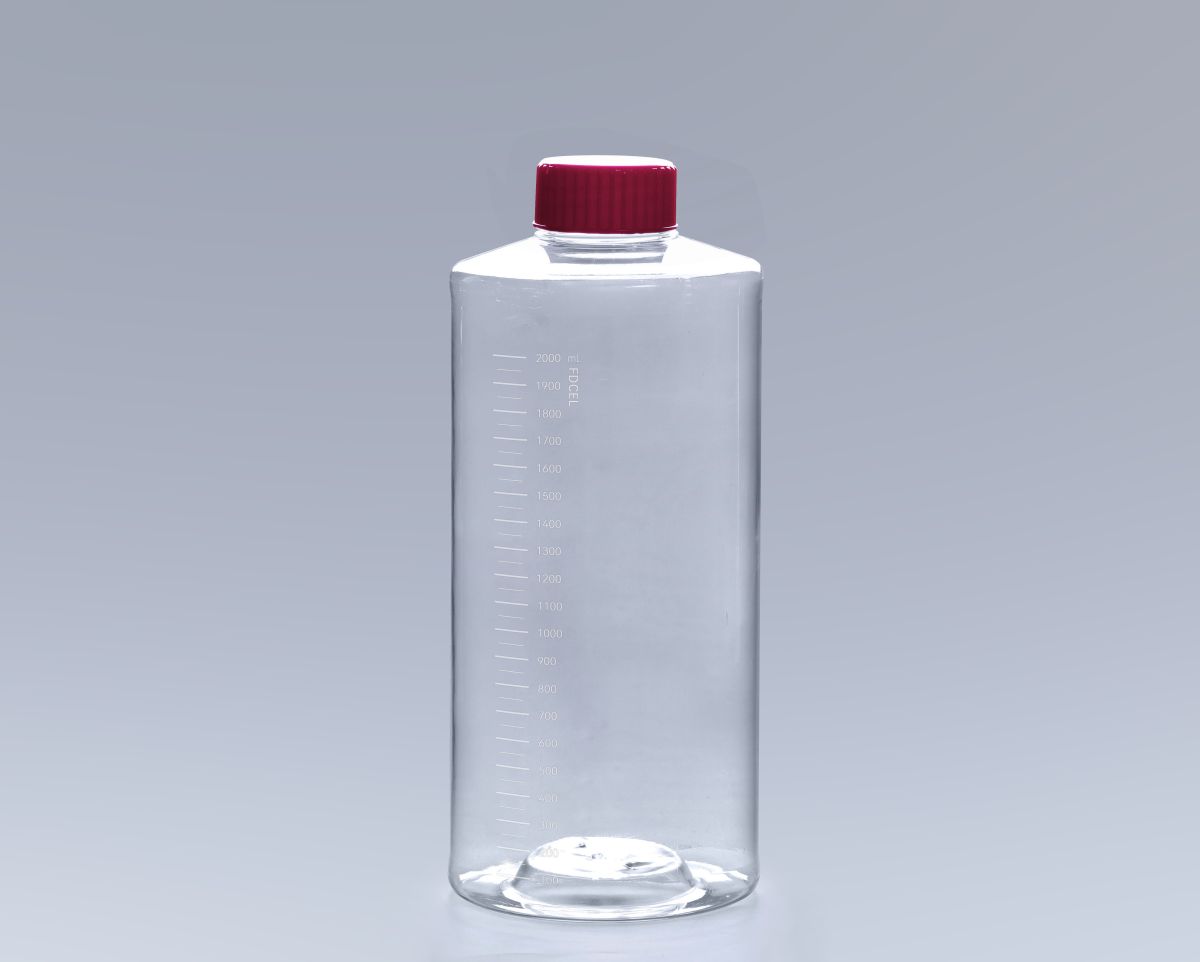
Roller bottles are cylindrical vessels designed for adherent cell culture, commonly used in vaccine production and viral propagation.
They rotate slowly in incubators, allowing cells to grow evenly along the inner surface while improving nutrient distribution and gas exchange.
Key Advantages:
Simple and cost-effective setup
Easy to operate and maintain
Suitable for small- to medium-scale production
Flexible for process development and optimization
Limitations:
Labor-intensive handling
Limited scalability
Higher contamination risk due to manual operations
What Are Cell Factories?
Cell factories (also known as multi-layer cell culture systems) consist of stacked culture chambers, significantly increasing the available surface area for adherent cell growth within a compact footprint.
They are widely used in large-scale vaccine production, especially in commercial manufacturing.
Key Advantages:
High surface area → higher cell yield
Reduced footprint compared to multiple roller bottles
Lower contamination risk with fewer handling steps
Suitable for large-scale, standardized production
Limitations:
Higher upfront cost
Requires optimized protocols for uniform cell seeding
Less flexible during early-stage process development
Key Differences in Vaccine Manufacturing
1. Scalability
Roller Bottles: Scaling up requires increasing the number of bottles, leading to higher labor and space requirements
Cell Factories: Enable efficient scale-up within a controlled system
For large-scale vaccine production, cell factories are generally preferred.
2. Process Control and Consistency
Roller bottles involve more manual handling, which may introduce variability
Cell factories support more standardized and reproducible processes
Consistency is critical in vaccine manufacturing, giving cell factories an advantage.
3. Production Efficiency
Roller bottles are suitable for pilot studies and smaller batches
Cell factories deliver higher productivity per unit volume
For commercial vaccine production, efficiency becomes a key factor.
4. Operational Complexity
Roller bottles are easier to implement and require minimal training
Cell factories may need optimized workflows, especially for seeding and harvesting
Roller bottles are often preferred in early development stages.
When to Choose Roller Bottles
Roller bottles are ideal for:
Process development and optimization
Small-scale vaccine production
Research and preclinical studies
Flexible, low-cost setups
When to Choose Cell Factories
Cell factories are best suited for:
Large-scale vaccine manufacturing
Commercial production
Applications requiring high consistency and yield
Facilities aiming to reduce labor and contamination risks
Industry Trend: From Roller Bottles to Scalable Systems
As vaccine production demands continue to grow, many manufacturers are transitioning from roller bottles to more scalable systems like cell factories and bioreactors.
However, roller bottles remain valuable tools, particularly in:
Early-stage development
Seed train expansion
Process validation
Conclusion
Both roller bottles and cell factories play important roles in vaccine manufacturing. The choice between them depends on production scale, process requirements, and operational priorities.
In practice, many manufacturers use a combination of both systems:
Roller bottles for development and small-scale production
Cell factories for large-scale manufacturing
By selecting the appropriate platform, biopharmaceutical companies can optimize productivity while maintaining product quality and consistency.
About FDCELL
As a professional manufacturer of lab consumables, we provide:
Cell Culture Flask
Cell Factories
Roller Bottles
Media Bottles
Our products are designed to support biopharma companies, vaccine manufacturers, and research laboratories with reliable and consistent performance.