

News
Kunststoff
Medien
Coperion: Ausbau der Partnerschaft mit Brückner


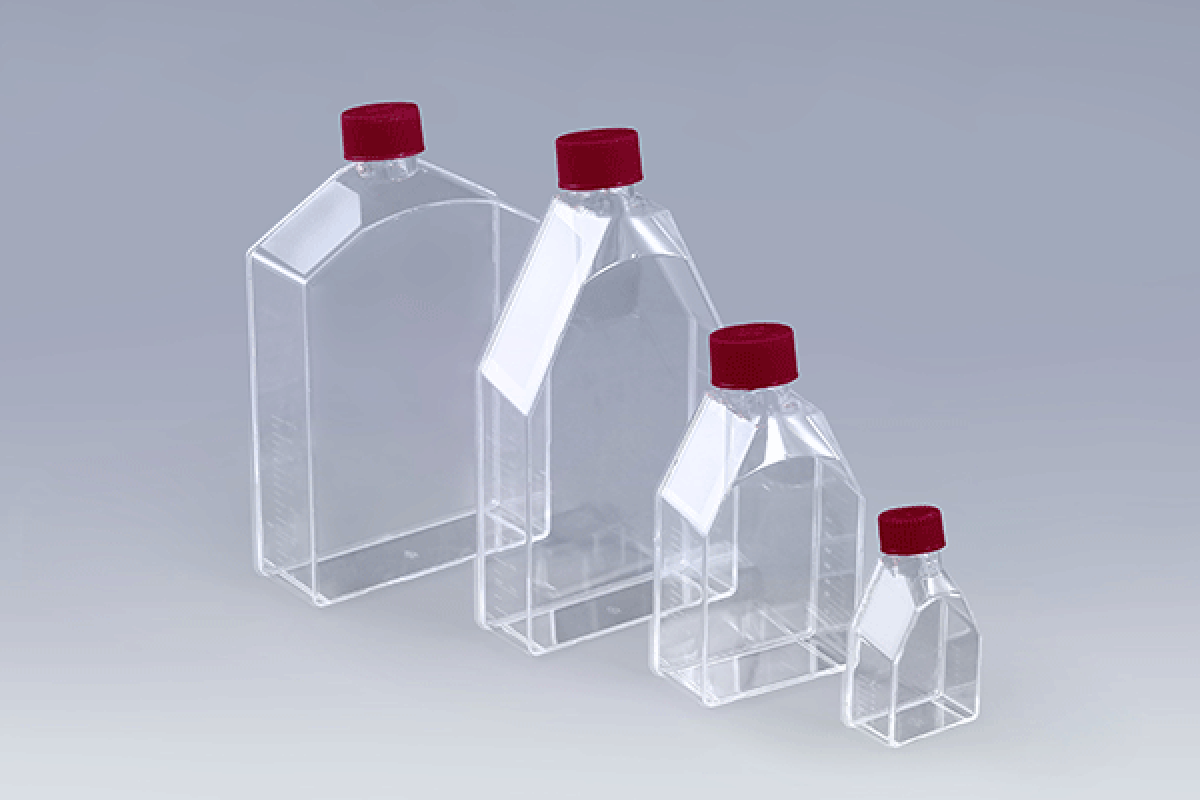
Batch-to-batch consistency is a critical requirement in the manufacturing of cell culture consumables, particularly for laboratories and biopharmaceutical manufacturers that rely on reproducible experimental conditions.
For adherent cell culture, even small variations in surface properties or material quality can influence cell attachment, morphology, and growth behavior. Therefore, maintaining stable performance across different production lots of cell culture flasks is essential for ensuring reliable cell culture outcomes.
Understanding how batch consistency is controlled during production can help laboratories evaluate suppliers and reduce variability in their workflows.
Importance of Batch Consistency in Cell Culture Applications
In research laboratories and large-scale bioprocessing environments, consistent performance of culture vessels is necessary to maintain experimental reproducibility.
Variations between production lots of cell culture flasks may affect:
Cell attachment efficiency
Cell morphology and spreading
Growth rate and proliferation
Experimental reproducibility
For applications such as vaccine production, biologics development, and cell therapy research, even small differences in culture surfaces may lead to inconsistent results. Reliable cell culture consumables must therefore demonstrate stable performance across multiple batches.
Raw Material Control
Batch consistency begins with strict control of raw materials.
High-quality cell culture flasks are typically manufactured from medical-grade polystyrene with well-defined material specifications. Manufacturers often implement incoming material inspection procedures to ensure that polymer composition and purity remain consistent.
Stable raw material quality is also important for other culture vessels, including Erlenmeyer shake flasks, cell factory systems, and square media bottles, which must maintain structural integrity and compatibility with biological applications.
Precision Injection Molding
Injection molding is one of the most critical steps in the production of cell culture flasks.
Variations in molding temperature, pressure, or cooling conditions can affect surface smoothness and dimensional accuracy. Advanced mold design and precise process control help ensure that each production batch maintains the same physical characteristics.
Consistent molding parameters are equally important for manufacturing multi-layer culture systems such as cell factories and suspension culture vessels like Erlenmeyer shake flasks.
Surface Treatment Consistency
For adherent cell culture, surface treatment is a key factor influencing cell attachment.
Most cell culture flasks undergo tissue-culture treatment (TC treatment), which modifies the surface to improve hydrophilicity and promote protein adsorption. Controlled surface treatment processes ensure that each batch provides similar attachment performance.
Manufacturers typically monitor surface treatment parameters and conduct validation testing to confirm that treated surfaces meet defined specifications.
Cleanroom Manufacturing Environment
Environmental control during production also contributes to batch consistency.
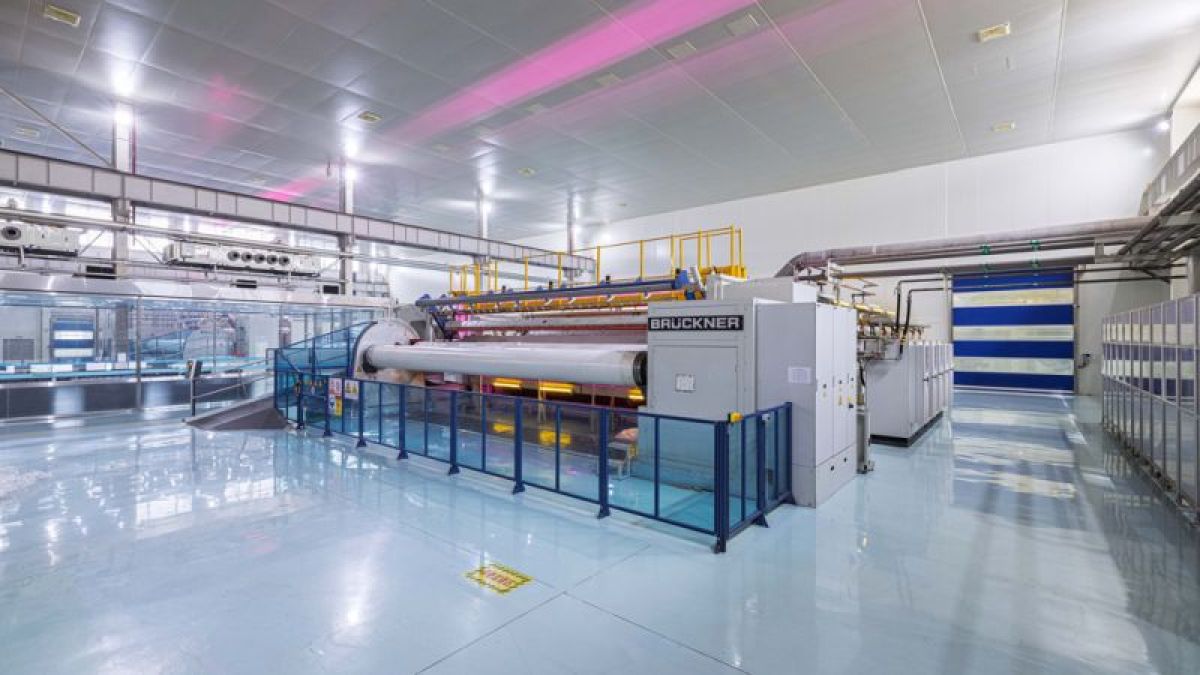
Many cell culture consumables are produced in controlled cleanroom environments to minimize particulate contamination and maintain product stability. Cleanroom manufacturing is commonly applied to products such as cell culture flasks, cell factory systems, Erlenmeyer shake flasks, and square media bottles used in biological laboratories.
Controlled environments help ensure that products meet the requirements of research and regulated manufacturing applications.
Quality Control and Batch Traceability
Comprehensive quality control procedures are essential to maintaining batch-to-batch consistency.
Manufacturers often implement inspection and testing protocols throughout the production process, including:
Raw material verification
Dimensional inspection
Surface treatment validation
Sterility assurance testing
Batch traceability systems allow each production lot to be tracked throughout the manufacturing process, helping identify and address potential deviations.
Conclusion
Batch-to-batch consistency is essential for maintaining reliable performance in cell culture applications. Controlled raw materials, precision injection molding, validated surface treatment, cleanroom manufacturing, and structured quality control systems all contribute to stable production outcomes.
For laboratories and biopharmaceutical manufacturers, selecting suppliers that implement robust manufacturing and quality management practices can help reduce variability and support reproducible results when using cell culture flasks, Erlenmeyer shake flasks, cell factory systems, and other cell culture consumables.