

News
Kunststoff
Unternehmen
INNOTEQ 2023: Nachhaltige Swissness für die MEM-Industrie


Chinese Hamster Ovary (CHO) cells are one of the most widely used mammalian cell lines in biotechnology and biopharmaceutical production. They are especially important in the manufacturing of recombinant proteins, monoclonal antibodies, and vaccines. To ensure stable growth and high productivity, selecting the right cell culture flask and maintaining proper culture conditions are essential.
In this article, we will explore the key considerations for CHO cell culture in a cell culture flask and how high-quality culture vessels can improve laboratory efficiency.
Why CHO Cells Are Widely Used
CHO cells are preferred in biopharmaceutical applications because they offer several advantages:
Strong adaptability to suspension and adherent culture
High protein expression capability
Ability to perform post-translational modifications similar to human cells
Good scalability from laboratory research to industrial production
Regulatory acceptance in therapeutic protein manufacturing
Because of these benefits, CHO cells are commonly used in antibody production and vaccine development.
Importance of Choosing the Right Cell Culture Flask
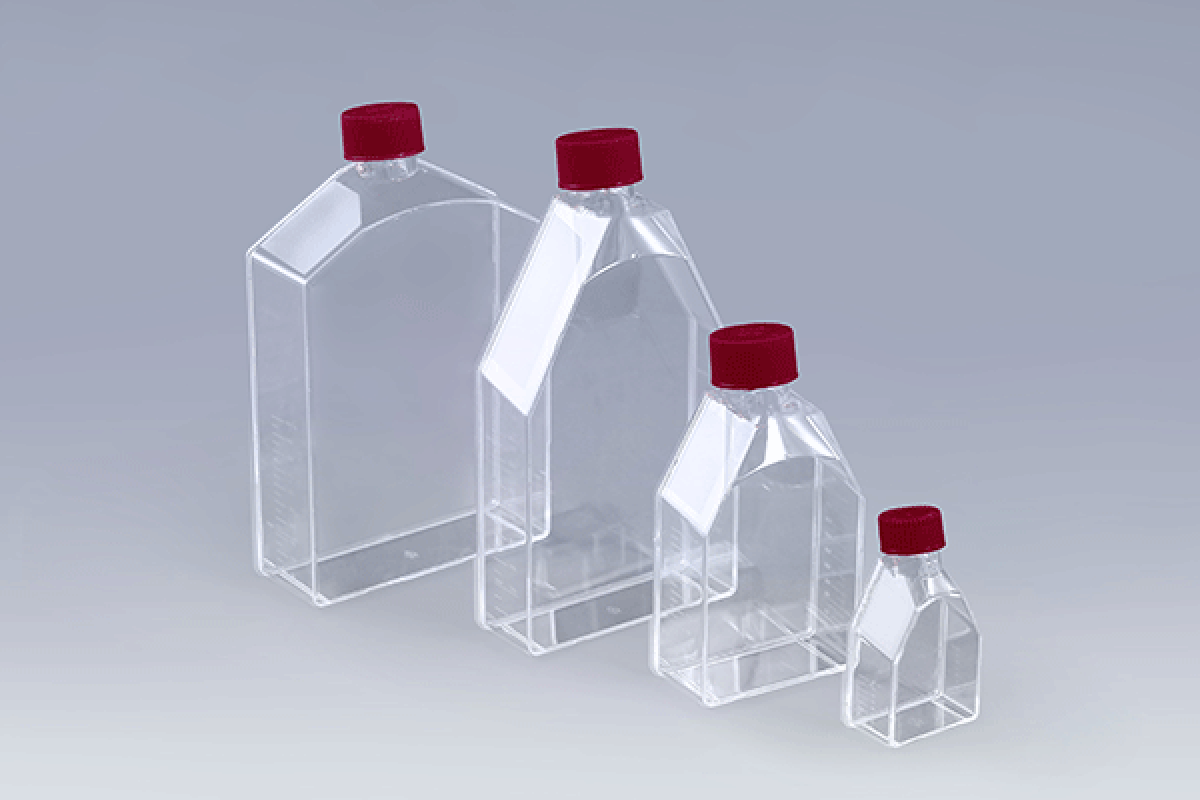
A reliable cell culture flask plays a critical role in maintaining cell viability and reproducibility. For CHO cells, the flask should provide:
Excellent surface treatment for strong cell attachment (for adherent CHO cells)
High optical clarity for easy microscopic observation
Sterile, DNase/RNase-free environment
Leak-proof cap design for safe handling
Uniform wall thickness for consistent performance
Using a high-quality cell culture flask helps reduce contamination risks and improves experimental consistency.
Recommended Culture Conditions for CHO Cells
Proper environmental control is necessary for successful CHO cell growth.
Typical Culture Parameters
Temperature 37°C
CO₂Concentration 5%
Humidity 95%
Culture Medium DMEM/F12 or specialized CHO medium
Serum 5–10% FBS (if required)
Some serum-free systems are also widely used in biopharma production to simplify downstream purification.
Steps for CHO Cell Culture in Cell Culture Flask
1. Prepare the Flask
Use a sterile tissue culture-treated flask. Ensure the flask is unopened and stored properly before use.
2. Add Culture Medium
Pre-warm the medium to 37°C before adding it into the flask.
3. Seed the Cells
Adjust cell density according to your protocol and gently add cells into the flask.
4. Incubate Under Standard Conditions
Place the flask in a CO₂ incubator and avoid unnecessary movement during early attachment.
5. Monitor Cell Growth
Observe cell morphology regularly using an inverted microscope.
6. Passage Cells When Needed
When confluency reaches around 80–90%, perform subculture to maintain healthy growth.
Common Challenges in CHO Cell Culture
Cell Detachment
May result from poor flask surface quality or over-trypsinization.
Slow Growth Rate
Often caused by low-quality serum, improper medium, or unstable incubator conditions.
Contamination
Can occur due to poor aseptic operation or low-quality consumables.
Using premium cell culture flasks can significantly reduce these risks.
Why FDCELL Cell Culture Flasks
At FDCELL, we manufacture high-quality cell culture flasks designed for demanding laboratory and biopharma applications.
Our advantages include:
Imported medical-grade raw materials
Advanced injection molding equipment
Class C cleanroom production
Strict leak testing and visual inspection
ISO9001 and ISO13485 certified quality system
Available in multiple sizes and cap options
Our products are trusted by biopharma companies, research laboratories, and vaccine manufacturers worldwide.
Conclusion
Successful CHO cell culture depends not only on optimized media and incubator conditions but also on the quality of the cell culture flask used throughout the process.
Choosing the right cell flask improves cell attachment, reduces contamination risks, and supports consistent biopharmaceutical production. Whether for research or large-scale manufacturing, investing in reliable cell culture consumables is essential for better results.
If you are looking for a dependable supplier of cell culture flasks, FDCELL is ready to support your laboratory and production needs.