

News
Kunststoff
Unternehmen
INNOTEQ 2023: Nachhaltige Swissness für die MEM-Industrie


Cell culture flasks are fundamental tools in life science research, biopharmaceutical production, and vaccine development. However, even with standardized protocols, users often encounter issues that affect cell growth, reproducibility, and experimental outcomes.
Understanding these common problems—and how to prevent them—can significantly improve cell culture performance and reduce unnecessary costs.
1. Poor Cell Attachment
Problem
Adherent cells fail to attach properly to the surface of the cell culture flask, resulting in low cell density and slow growth.
Possible Causes
Using non-treated flasks for adherent cells
Inconsistent surface treatment
Low-quality materials
Improper cell seeding density
Solutions
Use TC-treated cell culture flasks for adherent cells
Choose products with consistent surface treatment
Verify supplier quality and batch consistency
Optimize seeding density for your cell type
2. Contamination Issues
Problem
Contamination is one of the most serious risks in cell culture, leading to experiment failure and loss of valuable samples.
Common Contaminants
Bacteria
Fungi
Mycoplasma
Possible Causes
Poor sterility during production
Improper handling in the lab
Packaging damage
Ineffective sealing
Solutions
Use sterile, individually packaged cell culture flasks
Ensure proper aseptic technique
Select flasks produced in certified cleanroom environments
Check packaging integrity before use
3. Leakage Problems
Problem
Media leakage during incubation or transport can cause contamination, loss of samples, and operational inconvenience.
Possible Causes
Poor cap design
Weak sealing performance
Manufacturing defects
Solutions
Choose flasks with reliable cap sealing systems
Use vented caps for incubator conditions
Work with suppliers that perform leak testing
Avoid overfilling beyond recommended working volume
4. Inconsistent Cell Growth
Problem
Cells show uneven growth patterns or inconsistent results across batches.
Possible Causes
Variability in surface treatment
Differences in raw materials
Poor manufacturing control
Inconsistent incubation conditions
Solutions
Select cell culture flask manufacturers with strict quality control
Ensure batch-to-batch consistency
Standardize culture conditions
Use validated products for critical applications
5. Poor Gas Exchange
Problem
Insufficient oxygen and CO₂ exchange affects cell metabolism and growth.
Possible Causes
Using sealed caps in CO₂ incubators
Overfilling flasks
Inadequate airflow
Solutions
Use vented cap cell culture flasks for CO₂ incubation
Maintain proper media volume
Ensure incubator conditions are optimized
6. Surface Scratches or Defects
Problem
Physical defects inside the flask can affect cell attachment and growth.
Possible Causes
Low-quality manufacturing processes
Poor handling during packaging or transport
Solutions
Choose flasks with high-quality materials and smooth surfaces
Ensure 100% visual inspection during production
Avoid using damaged flasks
7. Improper Flask Selection
Problem
Using the wrong flask type or size leads to inefficient culture and wasted resources.
Possible Causes
Incorrect flask size
Mismatch between cell type and flask type
Lack of application-specific knowledge
Solutions
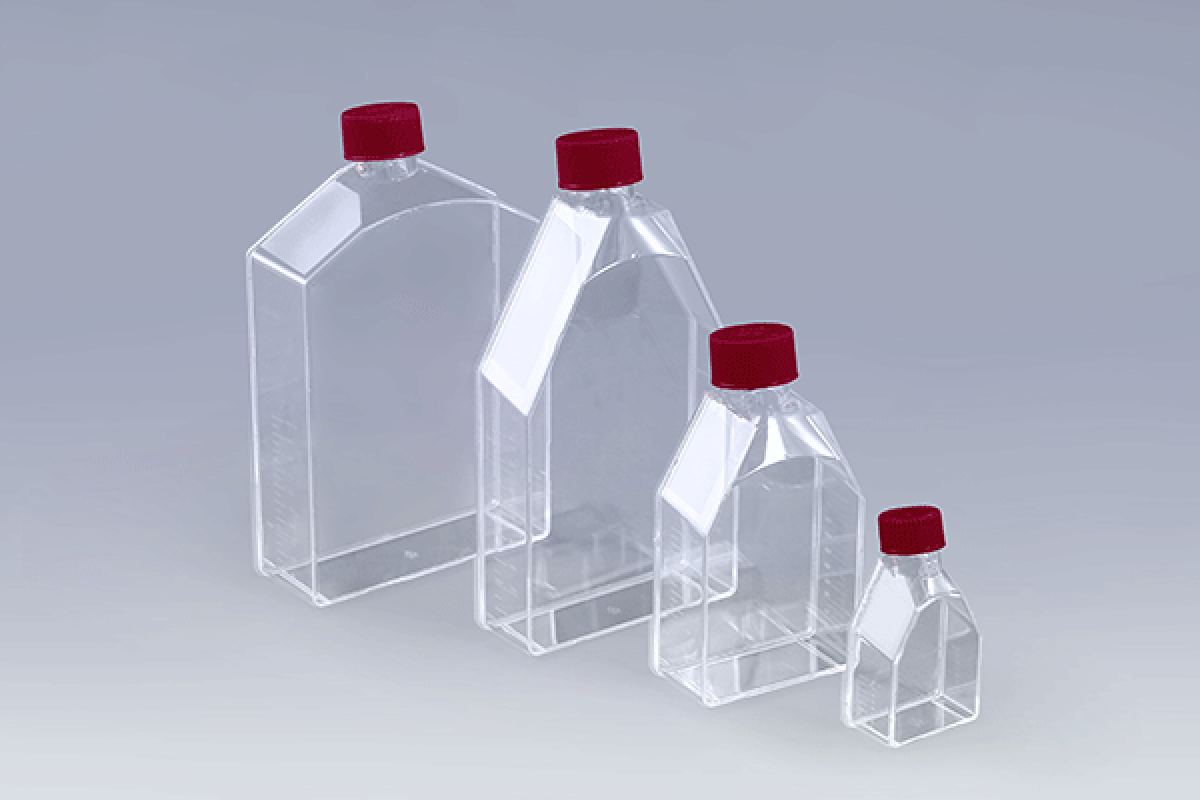
Use T25, T75, or T175 flasks based on experimental scale
Match TC-treated or non-treated flasks to cell type
Consult with suppliers for application guidance
Why Choosing the Right Supplier Matters
Many of the issues above are directly related to product quality and manufacturing standards. A reliable cell culture flask supplier can help minimize risks and improve experimental outcomes.
At FDCELL, we provide high-quality cell culture flasks manufactured under strict quality control systems, including:
ISO9001 and ISO13485 certification
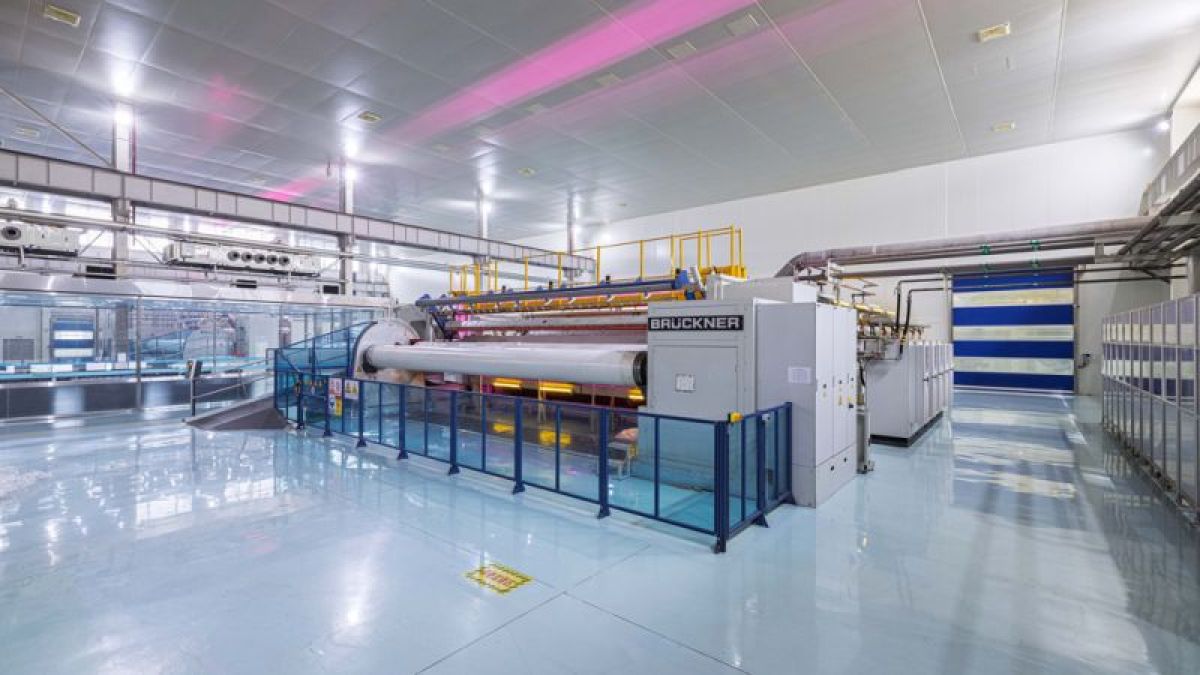
Class C cleanroom production
Consistent surface treatment
Leak testing and sterility assurance
Batch quality inspection reports
Conclusion
While cell culture flasks are widely used, improper selection or low-quality products can lead to multiple challenges, including contamination, poor cell growth, and experimental failure.
By understanding these common problems and applying the right solutions, laboratories and biopharma companies can significantly improve efficiency, reliability, and overall performance.
If you are looking for a reliable cell culture flask manufacturer, choosing a trusted supplier is the first step toward better results and long-term success.