
News
Kunststoff
Unternehmen
INNOTEQ 2023: Nachhaltige Swissness für die MEM-Industrie



Contamination is one of the most common and costly problems in cell culture and microbial cultivation. In shake flask experiments, even minor contamination can compromise data accuracy, reduce cell viability, and lead to the loss of valuable research time and materials.
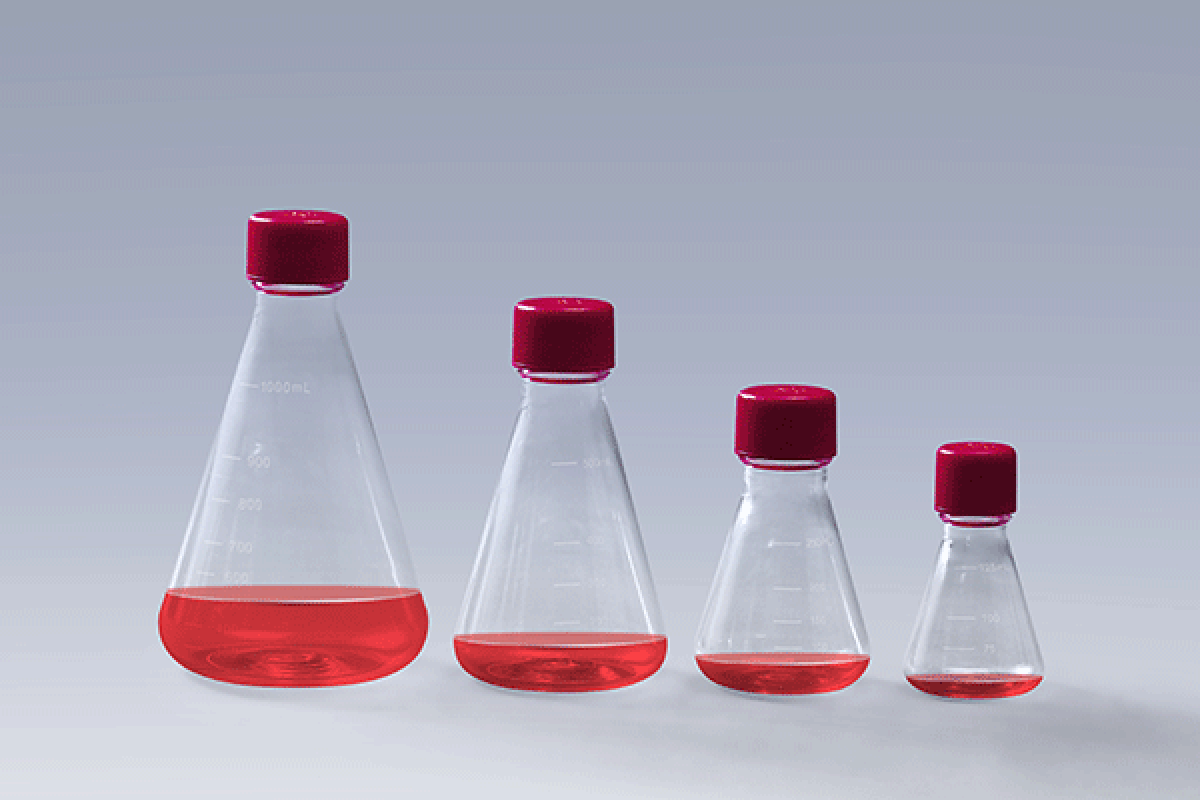
Using a high-quality Erlenmeyer Shake Flask and following proper aseptic techniques are essential for maintaining stable and contamination-free cultures. Whether in biotechnology research, vaccine development, microbial fermentation, or biopharmaceutical production, contamination prevention should always be a top priority.
This article explores the major contamination risks in shake flask culture and explains how to minimize them effectively.
Why Contamination Control Matters in Shake Flask Culture
An Erlenmeyer Flask provides an ideal environment for cell growth and microbial cultivation because of its excellent mixing and oxygen transfer capabilities. However, the same open-handling processes involved in flask culture can also increase contamination risks.
Contamination may result in:
Cell death
Altered metabolism
Inaccurate experimental data
Reduced protein yield
Batch failure
Increased production costs
In biopharmaceutical and laboratory environments, contamination can significantly delay research and manufacturing timelines.
Common Sources of Contamination in Erlenmeyer Shake Flask Culture
Understanding contamination sources is the first step toward prevention.
1. Airborne Microorganisms
Bacteria, fungi, and spores in laboratory air can enter the Erlenmeyer Shake Flask during:
Media preparation
Cell inoculation
Sampling procedures
Poor cleanroom conditions or improper airflow management increase contamination risks.
2. Improper Handling Techniques
Human error remains one of the leading causes of contamination.
Examples include:
Touching sterile surfaces
Inadequate glove sterilization
Leaving flasks open too long
Non-sterile pipetting practices
Even experienced operators must follow strict aseptic procedures.
3. Contaminated Media or Reagents
Culture media, serum, buffers, and supplements can introduce contaminants if:
Sterility is compromised
Storage conditions are improper
Reagents exceed expiration dates
Using validated sterile consumables is essential.
4. Low-Quality Shake Flasks
Poorly manufactured Erlenmeyer Flask products may contain:
Surface defects
Weak sealing performance
Inconsistent vent filters
Particulate contamination
High-quality flask manufacturing helps reduce these risks significantly.
Best Practices to Prevent Contamination in Shake Flask Culture
Use Sterile Erlenmeyer Shake Flask Products
Always choose sterile, individually packaged Erlenmeyer Shake Flask products manufactured in cleanroom environments.
Important features include:
High-purity medical-grade materials
Leak-proof cap systems
Sterilization validation
Consistent manufacturing quality
Disposable sterile flasks can further reduce cross-contamination risks.
Work in a Controlled Environment
Cell culture operations should ideally be performed in:
Laminar flow cabinets
Biosafety cabinets
Cleanroom environments
These controlled areas help minimize airborne contamination.
Laboratory personnel should:
Wear gloves and lab coats
Disinfect surfaces regularly
Minimize unnecessary movement near open cultures
Practice Proper Aseptic Techniques
Good aseptic technique is critical when handling an Erlenmeyer Flask.
Recommended practices include:
Sterilize gloves with ethanol
Use sterile pipette tips
Open flasks only when necessary
Avoid talking over open cultures
Work quickly but carefully
Consistent operator training is extremely important.
Select the Right Flask Cap Design
Cap selection directly affects contamination prevention and gas exchange.
Vented Caps
Vented caps with membrane filters allow:
Oxygen transfer
Carbon dioxide exchange
Reduced contamination risk
These are commonly used for suspension cell culture and microbial cultivation.
Plug Seal Caps
Plug seal caps provide tighter sealing and are often used for:
Short-term storage
Transport
Lower oxygen demand applications
Choosing the appropriate cap depends on culture requirements.
Monitor Shake Speed and Culture Conditions
Improper shaking conditions can increase contamination risks indirectly.
Excessive shaking may:
Cause cap leakage
Generate aerosols
Increase evaporation
Optimizing shaking speed for the specific Erlenmeyer Shake Flask size improves culture stability.
Typical factors to monitor include:
RPM speed
Temperature
Humidity
Filling volume
Regularly Inspect Cultures for Early Contamination Signs
Early detection can prevent large-scale culture loss.
Common contamination indicators include:
Cloudy media
Sudden pH changes
Floating particles
Unusual odor
Reduced cell growth
Microscopic bacterial movement
Routine visual inspection and microscopic observation are highly recommended.
Importance of High-Quality Erlenmeyer Flask Manufacturing
Not all shake flasks offer the same performance.
Reliable Erlenmeyer Flask manufacturers focus on:
Consistent wall thickness
High transparency
Uniform vent membrane quality
Sterile packaging integrity
Low endotoxin levels
For biopharmaceutical applications, high manufacturing standards are essential for contamination control and experimental reproducibility.
Disposable Erlenmeyer Shake Flask Solutions
Many laboratories are transitioning toward disposable Erlenmeyer Shake Flask systems.
Advantages include:
Reduced cleaning validation
Lower contamination risk
Improved workflow efficiency
Reduced labor costs
Single-use systems are especially popular in:
Vaccine production
Cell therapy research
Bioprocess development
Academic laboratories
Conclusion
Preventing contamination in shake flask culture requires a combination of:
Proper aseptic technique
Controlled laboratory conditions
High-quality consumables
Careful process management
Choosing a reliable Erlenmeyer Shake Flask supplier and following strict handling protocols can greatly improve culture consistency and experimental success.
As biotechnology and life science industries continue to grow, contamination prevention remains a critical factor in achieving reliable and reproducible shake flask culture results.