

News
Kunststoff
Unternehmen
INNOTEQ 2023: Nachhaltige Swissness für die MEM-Industrie


Cell culture remains one of the most fundamental techniques in life science research and biopharmaceutical manufacturing. Among various culture vessels, the tissue culture flasks have been widely used for adherent cell cultivation due to its convenience, reliability, and high reproducibility. However, achieving optimal cell growth in tissue culture flasks depends on multiple parameters — from surface properties and gas exchange to environmental stability and handling practices.
1. The Importance of Flask Design and Material
The material and design of a tissue culture flask play a decisive role in cell performance.
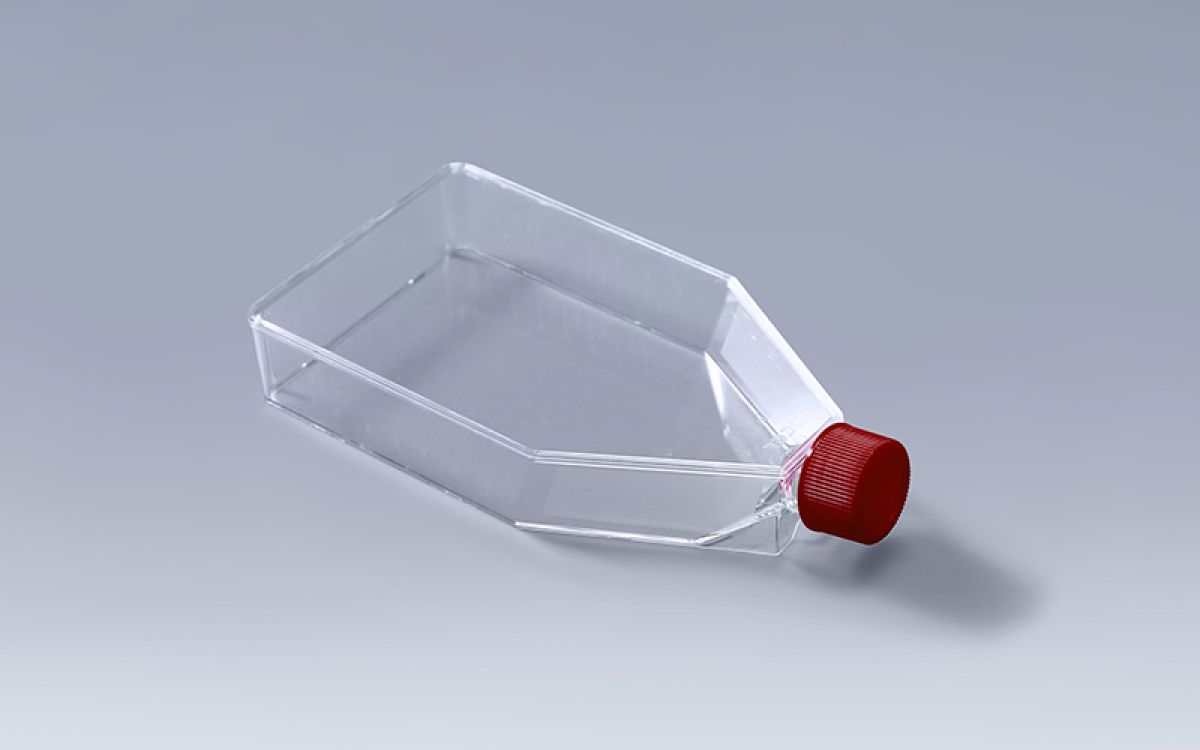
Tissue culture flasks are made of high-gradepolystyrene (PS), known for its excellent optical clarity and biocompatibility. To enhance adhesion, the inner surface undergoes TC treatment, introducing hydrophilic functional groups that promote cell attachment and spreading.
The geometry of the flask — including the neck design, vent cap, and surface area — also influences gas exchange efficiency and nutrient distribution, directly affecting cell growth and viability.
2. Control of Environmental Parameters
Successful cell culture requires maintaining a stable microenvironment. When using cell culture flasks, the following factors must be precisely managed:
Temperature: Most mammalian cells thrive at 37°C, requiring uniform heat distribution across the incubator shelf.
pH Control: Buffered media combined with efficient CO₂ exchange through vented caps maintain an ideal pH of 7.2–7.4.
Humidity: Prevents evaporation and osmotic stress, ensuring consistent cell density and medium composition.
Minor fluctuations in these parameters can cause significant changes in cell morphology, growth rate, or metabolic activity.
3. Surface Properties and Cell Attachment
Adherent cells such asVero, HEK293, CHO, and stem cells depend heavily on the physicochemical properties of the flask surface.
ATC-treated PS surface enhances the adsorption of extracellular matrix proteins, supporting more uniform attachment and proliferation. Conversely, non-treated flasks are suitable for suspension cultures or non-adherent cell lines, offering flexibility in process design.
Uniformity of surface treatment ensures batch-to-batch consistency — a critical requirement for reproducible experiments and regulatory compliance in biopharmaceutical development.
4. Handling and Seeding Practices
Optimization is not only about the flask itself but also about how it is used.Key practices include:
Even seeding to prevent clustering and uneven growth.
Gentle media exchange to minimize shear stress on delicate adherent cells.
Regular microscopic monitoring to assess confluence and detect contamination early.
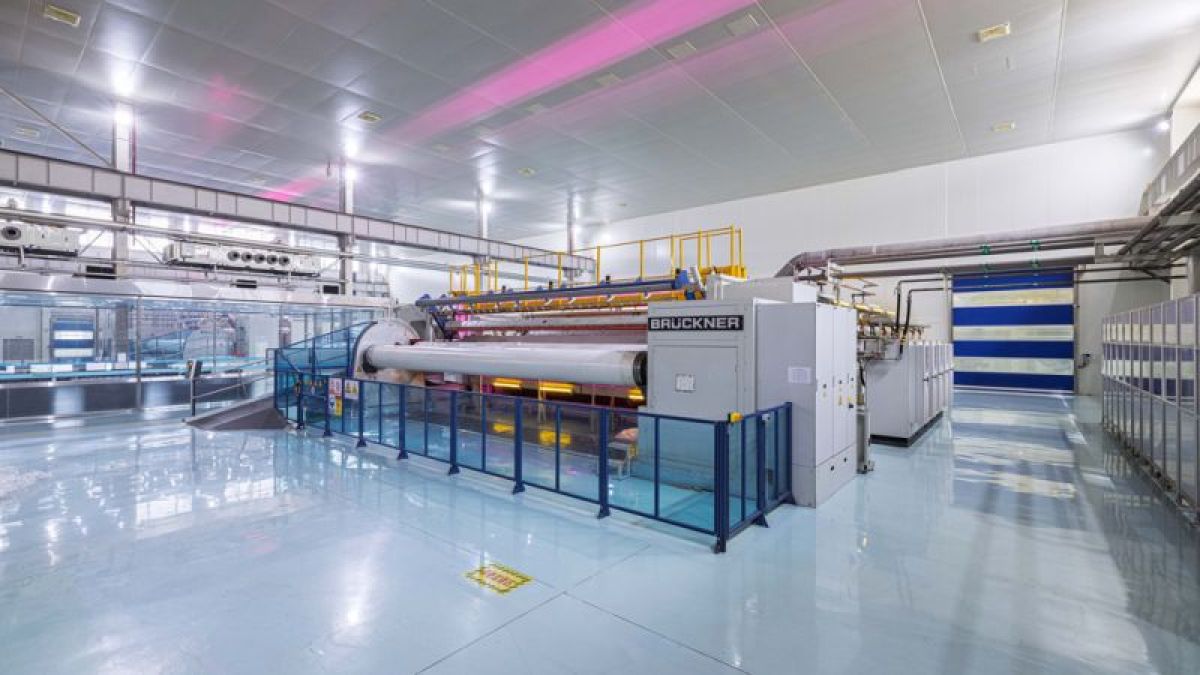
Using sterile, sealed packaging — such as those produced inISO-class cleanrooms — reduces contamination risks and supports reliable long-term culture performance.
5. From Research to Manufacturing
As research advances toward pre-clinical and manufacturing stages, consistency becomes even more critical.
Tissue culture flasks serve as the starting point forseed train expansion, before scaling up to multilayercell factories or bioreactor systems. Ensuring optimal conditions at this early stage lays the foundation for robust and scalable cell-based production — whether for vaccines, monoclonal antibodies, or cell and gene therapy products.
Conclusion
Optimizing cell growth in tissue culture flasks involves a comprehensive understanding of materials, design, and environmental control. High-qualityTC-treated PS flasks produced under ISO-certified conditions offer stable, reproducible environments for diverse cell types.
With continuous innovation in flask geometry, surface technology, and packaging design, FDCELL aims to help researchers and biopharma manufacturers achieve consistent and high-performance results from the very first step of cell culture.