
News
Kunststoff
Unternehmen
INNOTEQ 2023: Nachhaltige Swissness für die MEM-Industrie



In biopharmaceutical research and manufacturing, expanding adherent cells fromCell Factory laboratory scale to production scale is a critical step. Many researchers start with cell culture flasks for cell growth, optimization, and process development. However, when demand for higher cell yield increases, traditional flasks often become inefficient and difficult to manage.
Transitioning from a cell culture flask to a cell factory provides a scalable solution for large-scale cell expansion while maintaining consistent cell growth conditions, improving production efficiency, and reducing labor requirements.
This article explains the key considerations when scaling up from cell culture flasks to multi-layer cell factories and how this transition supports modern bioprocessing applications.
Why Scale Up From Cell Culture Flask?
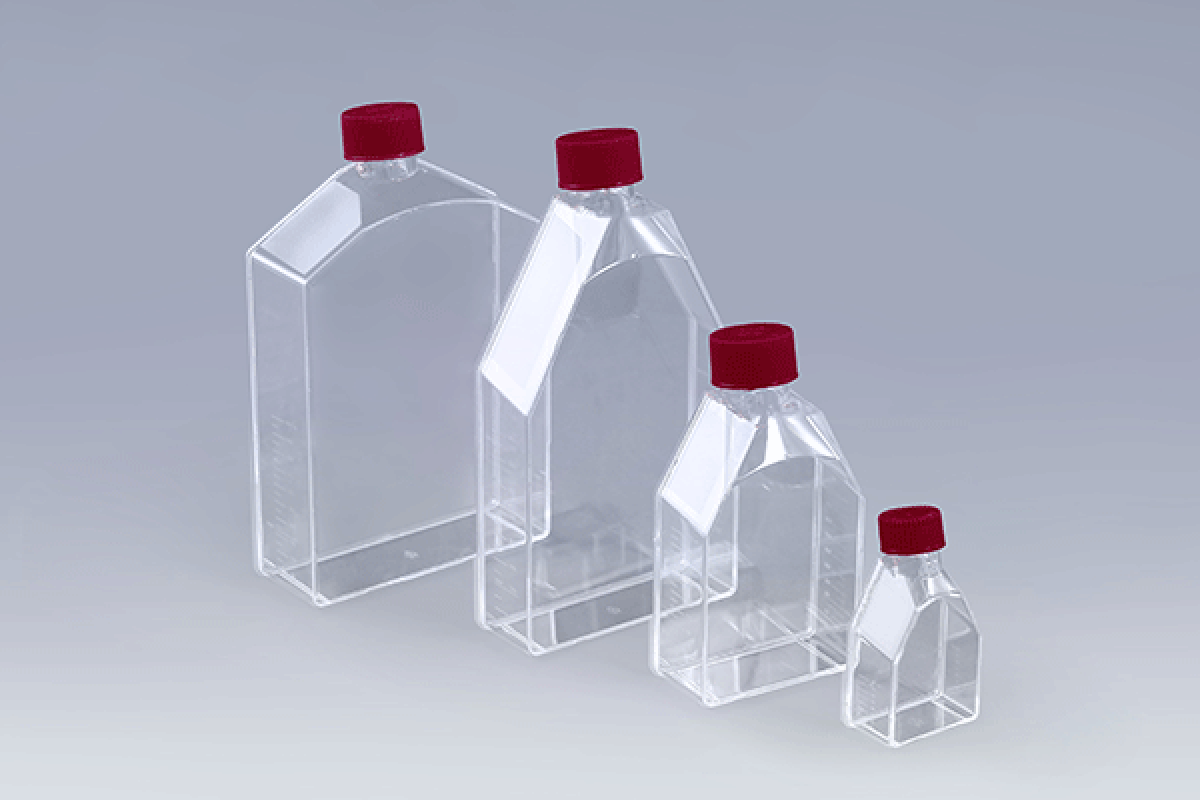
A cell culture flask is widely used for laboratory-scale adherent cell culture because it provides a convenient format for cell attachment, observation, and routine maintenance. Common sizes include T25, T75, T175, and T225 flasks, which are frequently used in research laboratories and early-stage process development.
However, as cell requirements increase, flask-based expansion presents several challenges:
Limited Surface Area
The available growth surface of a standard cell culture flask restricts the number of cells that can be harvested. Large-scale applications such as:
Vaccine production
Stem cell expansion Viral vector manufacturing
Recombinant protein production
Cell-based assay development
often require millions or billions of cells, making hundreds or thousands of flasks impractical.
High Labor Requirements
Using multiple cell culture flasks requires more manual operations, including:
Media exchange
Cell observation
Cell harvesting
Vessel handling
More manual steps increase labor costs and create additional risks of contamination.
Difficult Process Standardization
When scaling with numerous individual flasks, maintaining consistent:
Cell density
Culture conditions
Harvest timing
can become challenging, affecting batch-to-batch reproducibility.
For these reasons, many manufacturers move toward a cell culture scale-up strategy using cell factories.
What Is a Cell Factory?
A cell factory is a multi-layer cell culture vessel designed for large-scale expansion of adherent cells in a closed and controlled environment.
Unlike traditional cell culture flasks, a cell factory contains multiple stacked growth layers that significantly increase the available surface area without requiring additional incubator space.
Common configurations include:
1-layer cell factory
2-layer cell factory
5-layer cell factory
10-layer cell factory
40-layer cell factory
A 10-layer cell factory, for example, can provide approximately ten times the growth surface of a single-layer vessel while maintaining a compact footprint.
This makes cell factories ideal for applications requiring high-density cell expansion and efficient production workflows.
Key Steps for Scaling Up From Flask to Cell Factory
1. Establish a Reliable Cell Culture Process in Flasks
Before transferring to a cell factory, researchers should first optimize cell growth conditions using a cell culture flask.
Important parameters include:
Cell seeding density
Culture medium selection
Incubation conditions
Cell attachment efficiency
Cell growth rate
Harvesting method
A stable flask-based process provides the foundation for successful scale-up.
2. Calculate Surface Area Requirements
The transition from flask to cell factory requires accurate surface area calculation.
For adherent cells, growth surface area directly influences:
Cell expansion capacity
Medium requirements
Harvest yield
For example:
A T175 cell culture flask provides approximately 175 cm² growth area.
A 10-layer cell factory provides significantly larger culture surface area while occupying similar laboratory space.
Selecting the appropriate cell factory size depends on:
Target cell number
Production scale
Downstream application requirements
3. Adapt Cells to the Cell Factory Environment
Although cell factories use similar principles as traditional flasks, differences may exist in:
Surface treatment
Fluid distribution
Medium volume
Gas exchange conditions
A gradual adaptation process helps maintain:
Cell attachment
Cell morphology
Cell viability
Expansion performance
High-quality cell factories with uniform surface treatment can support consistent cell growth across all layers.
4. Optimize Closed-System Operation
Modern biomanufacturing increasingly requires closed and controlled systems to reduce contamination risks.
Advanced cell factories may integrate:
Closed tubing systems
Sterile connectors
Pre-assembled transfer lines
Easy media filling and harvesting solutions
These features improve operational safety and support compliance with GMP manufacturing requirements.
Advantages of Using Cell Factories for Large-Scale Cell Expansion
Higher Production Efficiency
Compared with multiple cell culture flasks, cell factories provide significantly greater surface area in a smaller footprint.
This enables:
Higher cell yield
Reduced incubator usage
More efficient facility utilization
Reduced Manual Handling
A single cell factory can replace many individual flasks, reducing:
Hands-on operation time
Labor costs
Risk of contamination
This is especially valuable for commercial-scale biopharmaceutical production.
Better Batch Consistency
A standardized cell factory system helps maintain consistent:
Cell growth conditions
Harvest performance
Product quality
This supports reliable cell manufacturing processes.
Applications of Cell Factory Systems
Cell factories are widely used in various biotechnology industries, including:
Vaccine Manufacturing
Many vaccine production processes rely on large-scale adherent cell expansion. Cell factories provide an efficient platform for producing sufficient cell biomass.
Cell Therapy Manufacturing
Cell-based therapies require controlled expansion processes to achieve high-quality therapeutic cells.
Viral Vector Production
Cell factories support the expansion of host cells used for viral vector manufacturing in gene therapy applications.
Biopharmaceutical Production
They are also used for producing recombinant proteins, antibodies, and other biological products.
Choosing the Right Cell Factory for Your Scale-Up Process
When selecting a cell factory, manufacturers should consider:
Surface Area Requirement
Choose the appropriate number of layers according to production volume.
Cell Type Compatibility
Different cell types may require specific surface treatments or culture conditions.
Material Quality
High-quality medical-grade materials help ensure:
Low extractables
High transparency
Reliable sterilization performance
Manufacturing Standards
For pharmaceutical applications, cell culture vessels should meet strict quality requirements, including:
ISO-certified production systems
Sterility assurance
Batch traceability
Quality documentation
Conclusion
Scaling up from a cell culture flask to a cell factory is an essential transition for laboratories and manufacturers moving from research to commercial production.
While cell culture flasks remain valuable for early-stage development, multi-layer cell factories provide a more efficient, scalable, and standardized solution for large-scale adherent cell culture.
By selecting the right cell factory system and optimizing the scale-up process, biopharmaceutical companies can achieve higher productivity, improved consistency, and more reliable cell manufacturing outcomes.