

News
Kunststoff
Unternehmen
INNOTEQ 2023: Nachhaltige Swissness für die MEM-Industrie



Since its establishment in the 1970s, HEK293 has been a cornerstone platform for viral vector production. In the era of rapid advances in gene therapy and genetic engineering, HEK293 plays an indispensable role in producing AAV (Adeno-Associated Virus) and lentiviral vectors.
1. Why HEK293 is Chosen for Viral Vector Production
The advantages of HEK293 include:
1). High Transfection Efficiency
HEK293 cells efficiently uptake plasmid DNA, enabling high yields of viral particles under transient expression conditions.
2). Compatibility with Multiple Viral Systems
AAV Production: Supports 3-plasmid or 5-plasmid systems, widely used in preclinical and early clinical studies.
Lentivirus Production: Ideal for gene delivery and cell engineering, particularly for stable integration expression.
3). Controllable Cell State
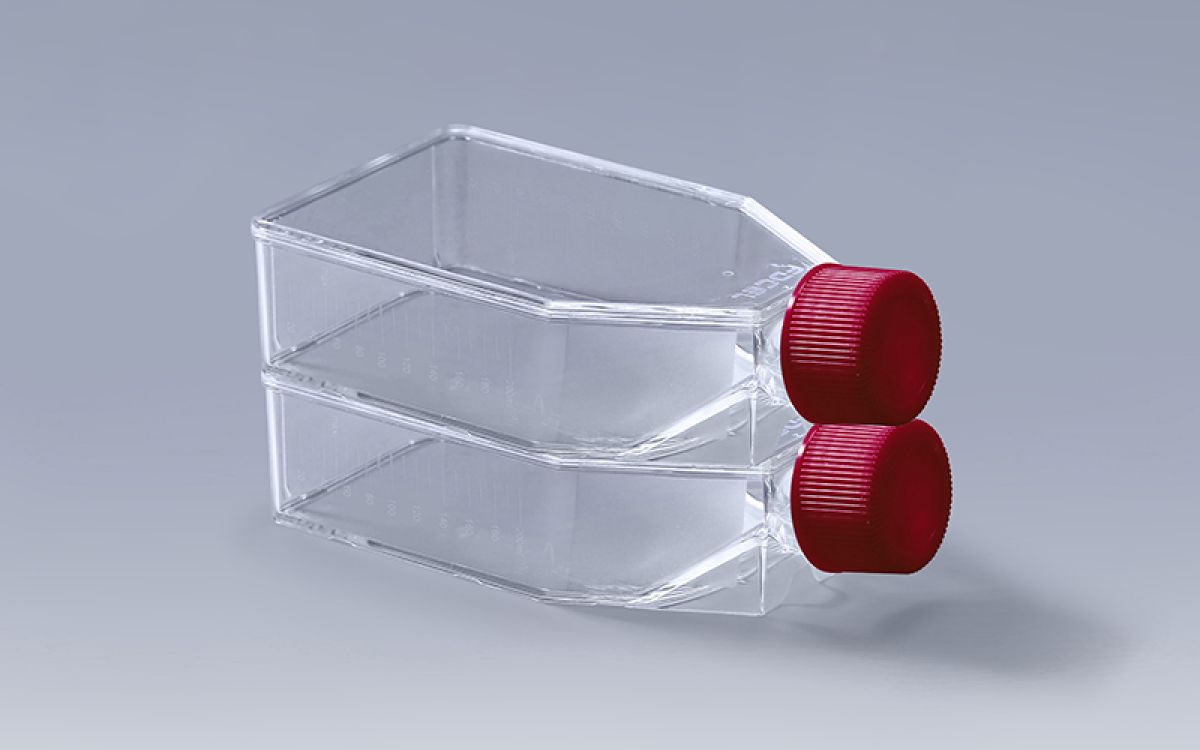
Adherent growth and stable morphology allow researchers to monitor cell health microscopically, ensuring consistent viral yield and titer.
4). Rich Derivative Cell Lines
Sublines such as 293T and 293FT express SV40 Large T antigen or other enhancers, further increasing viral packaging efficiency.
2. Key Scientific Factors in AAV and Lentiviral Production
HEK293 characteristics critical to viral vector production include:
Cell density and health status: Directly affects virus assembly and harvest efficiency.
Transfection method and plasmid design: Determines viral titer and purity.
Stable culture environment: pH, temperature, and CO₂ control are essential for particle integrity and activity.
Cell cycle and passage management: Maintaining low passage numbers improves production consistency.
3. Applications and Impact
HEK293 applications in viral vector production include:
Preclinical studies: Small-scale AAV and lentiviral vector production
Gene therapy projects: CAR-T, gene editing, gene replacement therapies
Process optimization and scale-up: Supports upstream process development and parameter optimization
Its scientific role extends beyond producing stable, high-yield viral vectors; HEK293 helps researchers understand the interplay between transfection, virus assembly, and cell growth, enabling optimized production strategies.
4. Future Perspectives
With the rapid expansion of the gene therapy market, HEK293 remains the core platform for AAV and lentiviral production. Future improvements include:
Engineered cell lines for higher viral titers
Adaptation to high-density and suspension culture systems
Integration with automation and closed-system culture
Optimizing cell state and process parameters before virus purification
HEK293’s scientific significance extends beyond current applications, providing a solid foundation for next-generation gene therapy and viral vector development.