
News
Kunststoff
Unternehmen
INNOTEQ 2023: Nachhaltige Swissness für die MEM-Industrie



Stem cell expansion is a critical step in regenerative medicine, cell therapy development, tissue engineering, and biomedical research. Whether working with mesenchymal stem cells (MSCs), induced pluripotent stem cells (iPSCs), or other adherent stem cell types, selecting the right cell culture flask and following optimized culture practices are essential for maintaining cell viability, proliferation, and differentiation potential.
This article explores key considerations and best practices for achieving efficient stem cell expansion in cell culture flasks while ensuring consistent and reproducible results.
Why Cell Culture Flasks Matter for Stem Cell Expansion
A high-quality stem cell culture flask provides a controlled environment that supports cell attachment, growth, and nutrient exchange. The flask surface, material quality, and culture conditions can significantly influence stem cell behavior.
Modern TC-treated cell culture flasks are specifically designed to enhance cell attachment by modifying the polystyrene surface, making them ideal for adherent stem cells such as MSCs.
Key benefits include:
Improved cell attachment efficiency
Enhanced cell proliferation
Consistent culture performance
Reduced variability between batches
Better scalability for research and production
Selecting the Right Cell Culture Flask
1. Choose TC-Treated Surfaces for Adherent Stem Cells
Most stem cells used in research and therapeutic development require strong surface attachment. TC-treated cell culture flasks improve hydrophilicity and promote uniform cell adhesion.
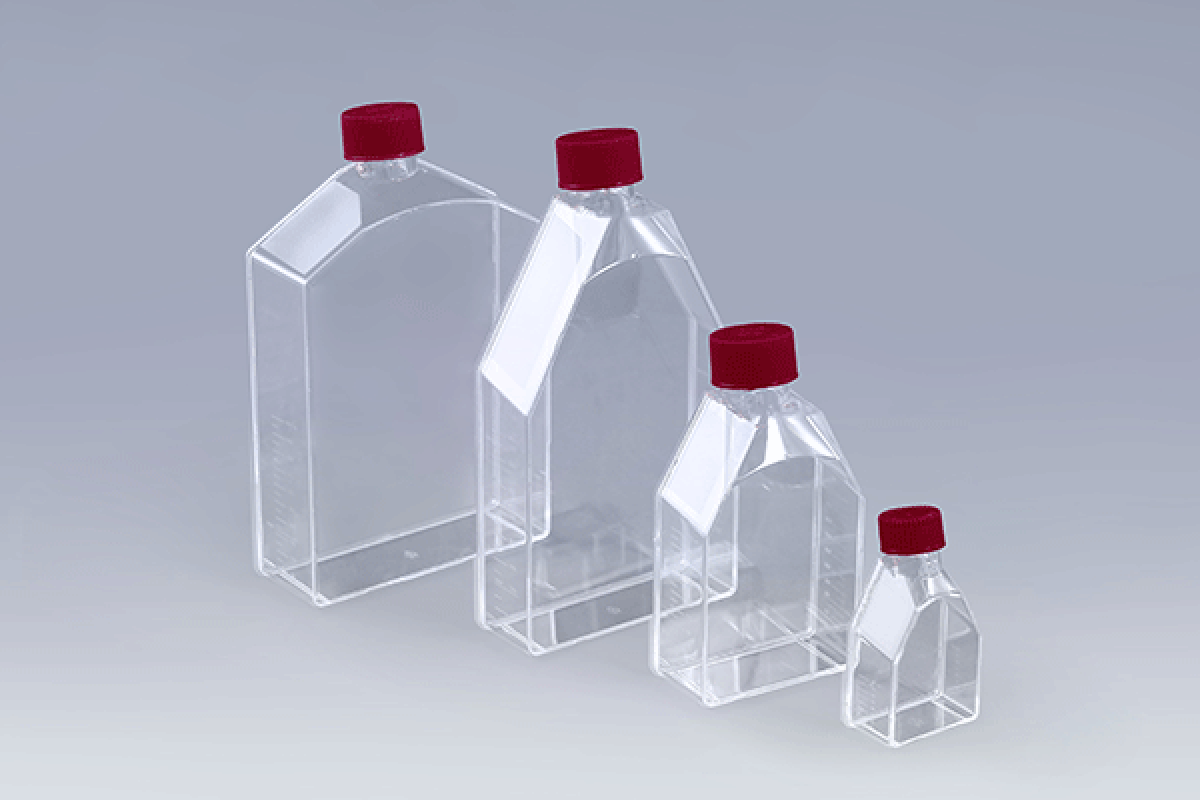
Common flask sizes include:
T25 Cell Culture Flask
T75 Cell Culture Flask
T175 Cell Culture Flask
T225 Cell Culture Flask
Researchers often begin expansion in smaller flasks and gradually scale up to larger culture vessels as cell density increases.
2. Ensure Sterility and Quality Assurance
Stem cells are highly sensitive to contamination. Always select cell culture consumables manufactured under strict quality control standards.
Look for products that offer:
Sterile packaging
DNase/RNase-free production
Endotoxin control
Lot traceability
Quality inspection reports
Optimizing Seeding Density
Proper seeding density is one of the most important factors influencing stem cell proliferation.
Low Seeding Density
Advantages:
More space for growth
Reduced nutrient competition
Disadvantages:
Longer expansion time
Increased risk of growth variability
High Seeding Density
Advantages:
Faster establishment of cultures
Improved cell-to-cell communication
Disadvantages:
Early confluency
Increased risk of differentiation
For mesenchymal stem cells (MSCs), many laboratories achieve optimal expansion by maintaining cultures between 30% and 80% confluency throughout the growth phase.
Maintaining Optimal Culture Conditions
Temperature and CO₂ Control
Standard stem cell culture conditions typically include:
37°C incubation temperature
5% CO₂ atmosphere
Humidified environment
Stable environmental conditions help preserve stem cell characteristics and maximize expansion efficiency.
Medium Management
Culture medium should be monitored regularly and replaced according to cell growth rates.
Best practices include:
Prewarming medium before use
Gentle handling during medium exchange
Avoiding excessive disturbance of adherent cells
Monitoring pH and nutrient depletion
Regular medium replacement supports healthy stem cell expansion and reduces metabolic stress.
Monitoring Cell Morphology
Visual inspection remains an essential quality control step.
Healthy stem cells generally exhibit:
Uniform morphology
Strong attachment to flask surfaces
Minimal debris
Consistent growth patterns
Signs that may indicate culture issues include:
Irregular cell shapes
Excessive floating cells
Slow proliferation
Evidence of contamination
Routine microscopic observation allows researchers to identify problems before they affect expansion outcomes.
Passaging at the Right Time
Overconfluent cultures can negatively impact stem cell quality and differentiation potential.
Recommended practices:
Passage cells before reaching full confluency
Use gentle dissociation methods
Minimize exposure to enzymatic treatments
Record passage numbers carefully
Maintaining appropriate passage schedules helps preserve stem cell functionality and long-term expansion performance.
Scaling Up Stem Cell Expansion
As research progresses toward larger-scale production, expansion often moves from cell culture flasks to higher-capacity systems.
Typical scale-up pathway:
T25 Cell Culture Flask
T75 Cell Culture Flask
T175 Cell Culture Flask
Cell Factory Systems
Bioreactor Platforms
Using high-quality culture vessels throughout the scale-up process improves reproducibility and process consistency.
Conclusion
Successful stem cell expansion in cell culture flasks requires a combination of suitable culture vessels, optimized seeding densities, controlled environmental conditions, and careful monitoring. High-quality TC-treated cell culture flasks provide the surface characteristics necessary for efficient cell attachment and proliferation, making them an essential tool in stem cell research and manufacturing.
By following these best practices, researchers can improve expansion efficiency, maintain stem cell quality, and support downstream applications ranging from basic research to advanced cell therapy development.