
News
Kunststoff
Unternehmen
INNOTEQ 2023: Nachhaltige Swissness für die MEM-Industrie



Vero cells are widely used in vaccine production, viral research, and biopharmaceutical manufacturing due to their stable growth characteristics and susceptibility to a variety of viruses. As demand for large-scale cell culture continues to grow, the use of advanced cell factory systems has become increasingly important for efficient Vero cell expansion. Among these solutions, the Multilayer Cell Factory has become a preferred platform for scalable adherent cell culture in both research and industrial production environments.
Why Vero Cells Require Scalable Culture Systems
Vero cells are anchorage-dependent cells, meaning they require a surface for attachment and proliferation. Traditional culture vessels such as T-flasks are suitable for small-scale laboratory work but become inefficient for high-volume production. Scaling up with conventional flasks requires excessive labor, incubator space, and media consumption.
A modern cell factory system solves these limitations by providing a large culture surface area within a compact footprint. This enables manufacturers to expand Vero cells efficiently while maintaining consistent culture conditions.
Advantages of Multilayer Cell Factory Systems
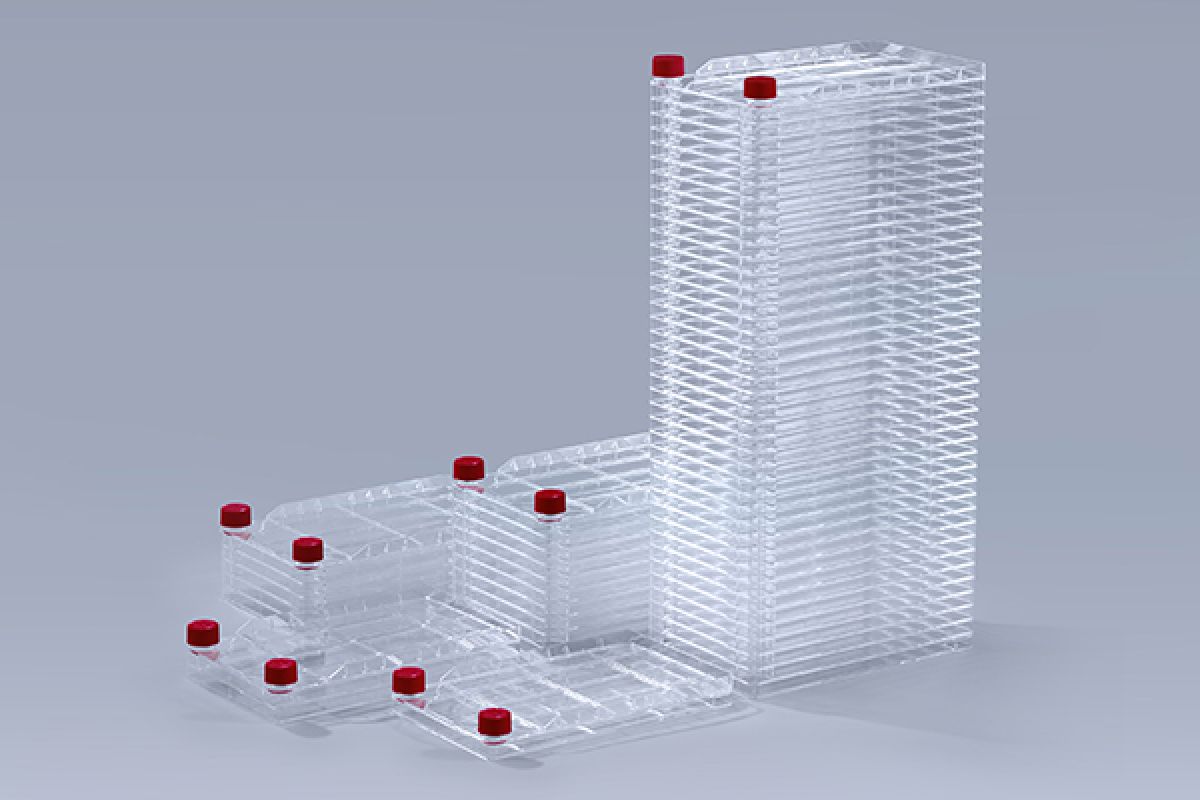
The Multilayer Cell Factory is specifically designed to support large-scale adherent cell cultivation. Multiple stacked culture layers maximize surface area without increasing incubator occupancy, making the system ideal for Vero cell expansion.
Key advantages include:
High Surface Area Efficiency
A cell factory provides significantly more growth area compared to standard flasks. Depending on the configuration, a single Multilayer Cell Factory can replace dozens of traditional culture vessels, improving operational efficiency and reducing handling time.
Reduced Contamination Risk
Using fewer individual containers minimizes open handling procedures, which helps reduce contamination risks during Vero cell culture. Closed or semi-closed system operation further enhances sterility assurance in vaccine and biopharmaceutical production.
Simplified Scale-Up
The modular design of the Multilayer Cell Factory allows seamless scale-up from laboratory research to pilot and commercial manufacturing. Researchers can maintain similar culture conditions across different production scales, improving process consistency.
Cost and Space Optimization
Compared with using multiple T-flasks, a cell factory system reduces labor requirements, incubator space usage, and consumable waste. This makes large-scale Vero cell production more economical and manageable.
Applications of Cell Factory Systems in Vero Cell Expansion
Vaccine Manufacturing
Vero cells are commonly used in the production of viral vaccines, including rabies, polio, influenza, and other inactivated or live-attenuated vaccines. A Multilayer Cell Factory provides the large adherent surface necessary for achieving high cell densities and stable viral yields.
Viral Vector Production
In gene therapy and viral vector research, Vero cells are often used for virus amplification. A reliable cell factory system ensures consistent cell growth and reproducible production performance.
Biopharmaceutical Research
Research institutions and biotechnology companies use Multilayer Cell Factory systems for cell biology studies, virus-host interaction analysis, and process development for large-scale cell culture applications.
Key Factors for Successful Vero Cell Expansion
To achieve optimal performance in a cell factory system, several critical parameters should be carefully controlled:
Surface Treatment: TC-treated surfaces improve Vero cell attachment and growth efficiency.
Uniform Media Distribution: Proper filling techniques ensure all layers receive equal nutrient access.
Gas Exchange: Consistent CO₂ and oxygen distribution are essential for maintaining healthy cell metabolism.
Temperature Stability: Uniform incubation conditions support consistent cell proliferation across all layers.
Harvest Optimization: Gentle harvesting methods help maintain cell viability and product quality.
Choosing the Right Multilayer Cell Factory
When selecting a Multilayer Cell Factory for Vero cell expansion, manufacturers should evaluate:
Material quality and optical clarity
Sterility assurance standards
Leak-proof sealing performance
Surface uniformity and TC treatment consistency
Compatibility with automated filling and harvesting systems
Available layer configurations for different production scales
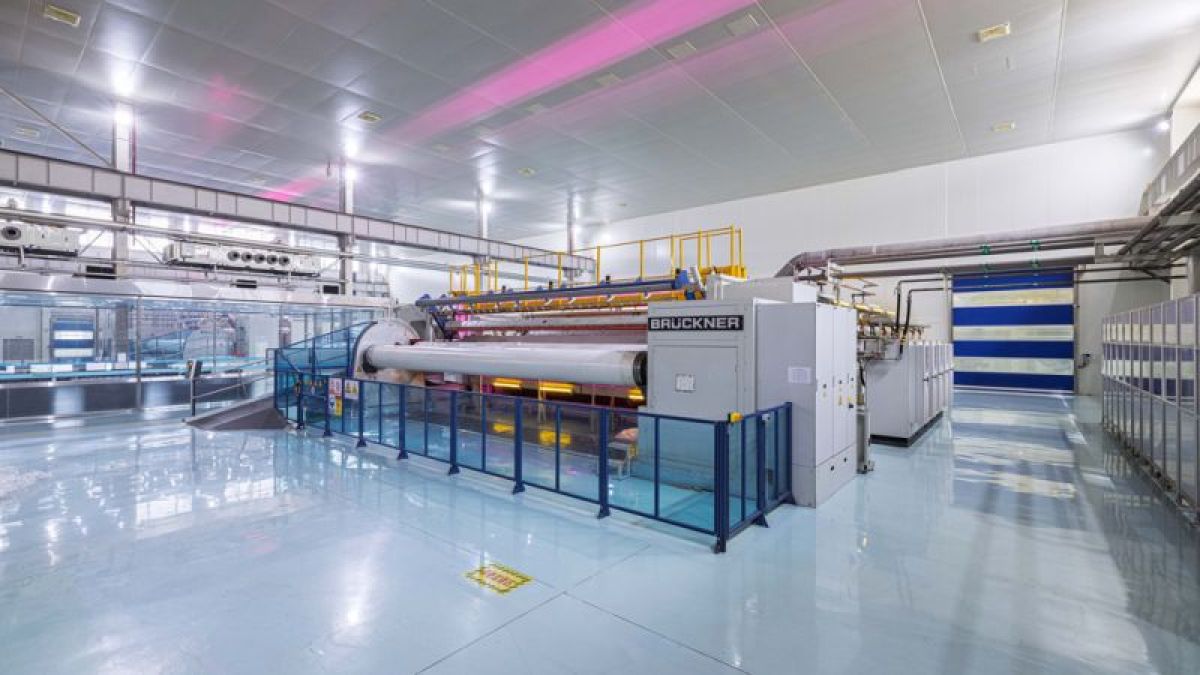
High-quality cell factory systems manufactured in certified cleanroom environments can significantly improve production reliability and reduce batch-to-batch variability.
Future Trends in Vero Cell Culture
As vaccine production and cell-based biomanufacturing continue to evolve, the demand for advanced Multilayer Cell Factory technologies is expected to increase. Integration with automation systems, closed-system processing, and smart manufacturing technologies will further enhance scalability, contamination control, and production efficiency.
For biopharmaceutical companies seeking reliable large-scale adherent cell culture solutions, the cell factory remains one of the most practical and efficient platforms for Vero cell expansion. With its scalability, operational convenience, and process consistency, the Multilayer Cell Factory continues to play a critical role in modern vaccine and biologics manufacturing.