
News
Kunststoff
Medien
Coperion: Ausbau der Partnerschaft mit Brückner

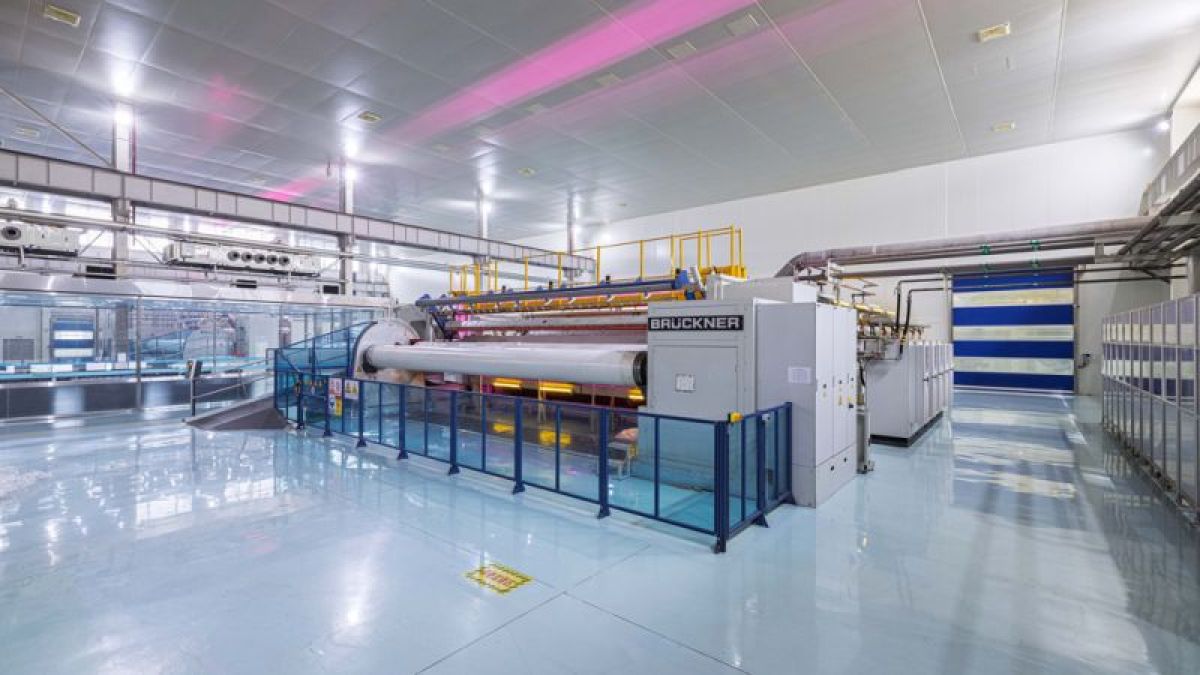

With the rapid growth of biopharmaceuticals, vaccine development, and cell therapy industries, the demand for large-scale cell culture continues to increase. As an efficient solution for adherent cell expansion, Cell Factory systems are widely used in vaccine manufacturing, biopharmaceutical production, scientific research, and cell therapy applications due to their large culture area, high space utilization, and operational convenience.
For laboratories and pharmaceutical companies seeking stable large-scale cell cultivation, Cell Factory has become an essential cell culture solution.
What Is a Cell Factory?
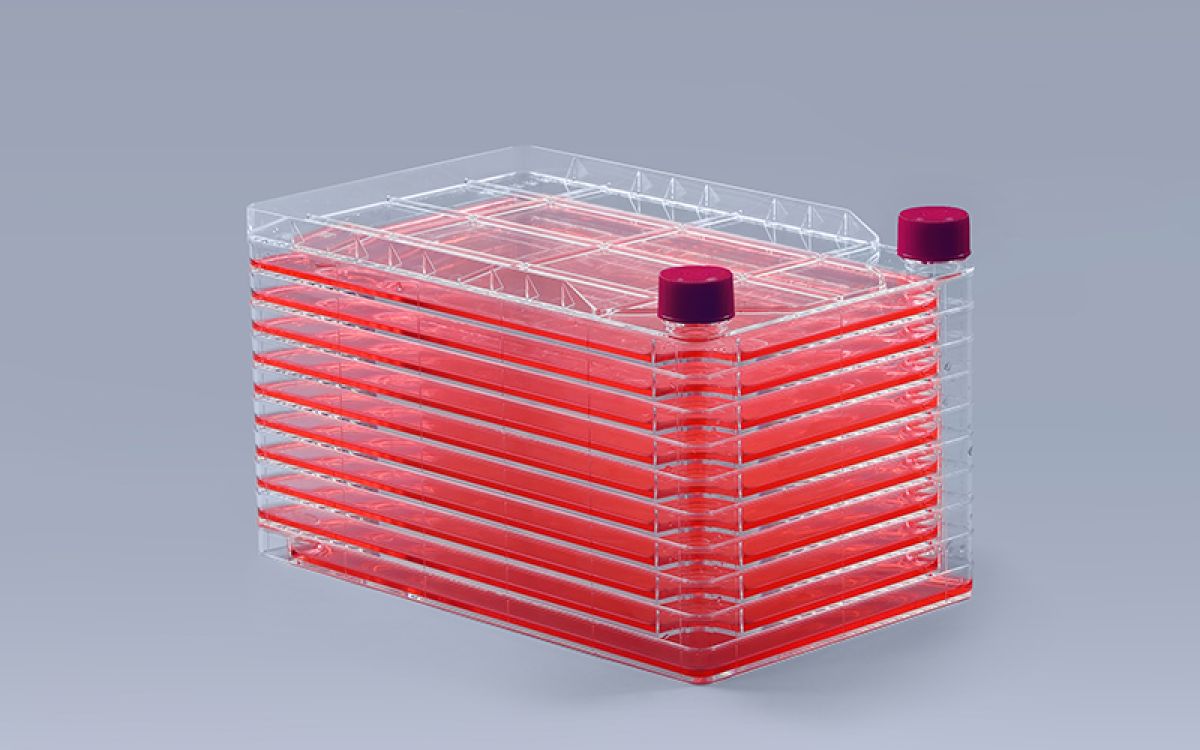
A Cell Factory is a multilayer cell culture system designed to maximize culture surface area within a limited space. By stacking multiple culture layers vertically, Multilayer Cell Factory systems provide significantly larger growth areas compared to traditional Cell Culture Flask products.
Common specifications include:
1-Layer Cell Factory
2-Layer Cell Factory
5-Layer Cell Factory
10-Layer Cell Factory
40-Layer Cell Factory
Most Cell Factory products are manufactured from USP Class VI medical-grade polystyrene (PS) and treated with TC surface treatment to enhance adherent cell growth.
Applications of Cell Factory in Vaccine Manufacturing
Vaccine production is one of the most important applications of Cell Factory systems.
Many viral vaccines rely on adherent cell culture for virus amplification, including:
Vero Cells
BHK-21 Cells
MDCK Cells
HEK293 Cells
Using Multilayer Cell Factory systems can significantly improve virus production efficiency while reducing manual handling.
Common vaccine applications include:
Rabies Vaccine
Influenza Vaccine
COVID-19 Vaccine
EV71 Vaccine
Polio Vaccine
Rotavirus Vaccine
Varicella Vaccine
Because Cell Factory systems provide a stable and large-scale culture environment, they are especially suitable for industrial vaccine production.
Applications of Cell Factory in Biopharmaceutical Production
In the biopharmaceutical industry, Cell Factory products are widely used for:
Monoclonal antibody research
Recombinant protein production
Viral vector expansion
Bioactive molecule research
Particularly in viral vector manufacturing, Cell Factory systems are commonly used for:
Adenovirus production
Lentivirus production
AAV vector expansion
Compared with Roller Bottle systems, Multilayer Cell Factory products offer easier standardization and scalability.
Applications of Cell Factory in Cell Therapy
The rapid development of the CGT (Cell and Gene Therapy) industry has also increased demand for Cell Factory systems.
Cell Factory products are commonly used for:
MSC (Mesenchymal Stem Cell) expansion
CAR-T upstream cell culture
NK cell culture
Primary cell culture
Because cell therapy manufacturing requires strict aseptic conditions, high-quality Cell Factory products are typically produced with:
ISO-certified cleanroom manufacturing
Gamma sterilization
DNase/RNase-free processing
Endotoxin-free validation
Consistent product quality helps reduce contamination risks during cell therapy production.
Applications of Cell Factory in Scientific Research
In addition to industrial manufacturing, Cell Factory systems are also widely used in:
High-density cell culture
Cell expansion experiments
Viral infection studies
Cancer research
Stem cell research
Many universities, research institutes, and CRO laboratories use 2-layer or 5-layer Cell Factory systems for medium-scale cell cultivation.
Why Are More Companies Choosing Multilayer Cell Factory Systems?
Compared with traditional culture methods, Multilayer Cell Factory systems offer several advantages.
1. Larger Culture Surface Area
Higher cell yields can be achieved within limited laboratory space.
2. Reduced Contamination Risk
Fewer handling steps help improve aseptic safety.
3. Better for Large-Scale Production
Suitable for process scale-up and GMP manufacturing.
4. Lower Labor and Time Costs
Fewer culture vessels improve operational efficiency.
5. Automation Compatibility
Compatible with automated filling and cell culture systems.
How to Choose a High-Quality Cell Factory
When selecting a Cell Factory product, the following factors should be carefully evaluated:
Consistency of TC surface treatment
Sealing performance
Layer flatness
Sterility validation
Material biocompatibility
Batch-to-batch consistency
A high-quality Cell Factory can significantly improve cell attachment and culture consistency, especially for vaccine and biopharmaceutical applications.
Conclusion
As the global biopharmaceutical industry continues to evolve, the applications of Cell Factory systems are expanding rapidly. From vaccine manufacturing to cell therapy, and from scientific research to viral vector production, Multilayer Cell Factory products have become indispensable tools for modern adherent cell culture.
For companies requiring large-scale adherent cell expansion, choosing a reliable and high-quality Cell Factory system can improve production efficiency while supporting future process scale-up and GMP manufacturing requirements.