
News
Kunststoff
Unternehmen
INNOTEQ 2023: Nachhaltige Swissness für die MEM-Industrie



The increasing demand for cell-based therapies, vaccines, and biopharmaceutical products has created new challenges for efficient and scalable cell production. During the transition from laboratory research to commercial manufacturing, maintaining consistent cell growth, reducing operational complexity, and ensuring process reliability are critical factors.
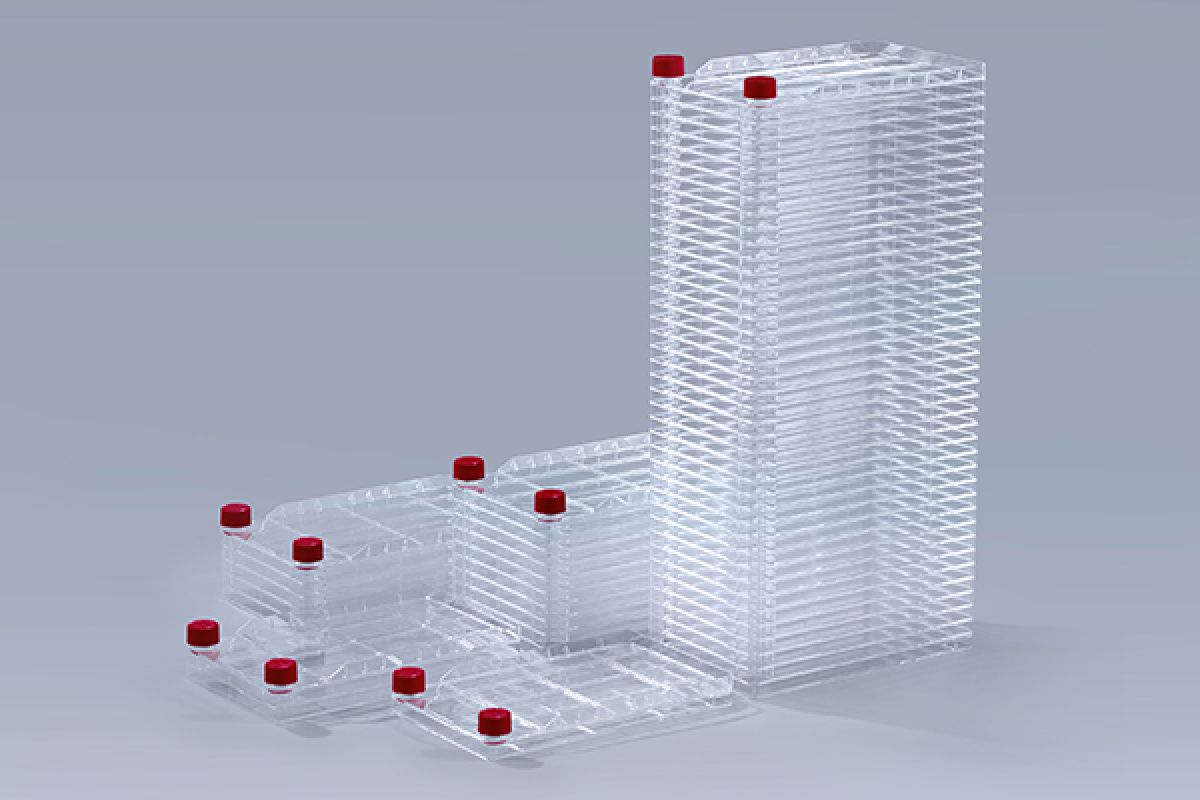
Traditional cell expansion methods based on multiple cell culture flasks often require extensive manual handling and large laboratory space when production volume increases. Cell factory systems provide an efficient solution for large-scale cell expansion by offering expanded culture surfaces, improved workflow efficiency, and reliable performance for high-volume adherent cell culture applications.
For biotechnology companies, research institutes, and pharmaceutical manufacturers, high-quality cell factories have become an important tool for achieving scalable and consistent cell production.
Improving Efficiency in Large-Scale Cell Expansion
Scaling up cell production requires a balance between increasing cell yield and maintaining cell quality. As cell numbers increase, traditional culture methods may lead to higher labor requirements, more complicated operations, and increased contamination risks.
A well-designed cell factory system helps optimize the scale-up process by providing:
Larger growth surface areas within a compact footprint
Reduced vessel handling during expansion
Improved consistency between production batches
More efficient use of laboratory space
Simplified cell culture workflows
For adherent cell applications, including stem cells, vaccine production cells, and biologically active cell lines, multi-layer cell factories provide a practical solution for increasing production capacity while maintaining stable culture conditions.
Supporting Cell Therapy Manufacturing Processes
The rapid development of cell therapy has increased the demand for reliable and scalable cell expansion technologies. Many therapeutic cell products require large quantities of high-quality cells while maintaining strict quality requirements.
In cell therapy workflows, cell factory systems are commonly used for:
Mesenchymal stem cell (MSC) expansion
Regenerative medicine research
Primary cell culture
Cell-based therapy development
Compared with conventional flask-based expansion, cell factories for cell therapy applications reduce the number of individual culture vessels required, helping laboratories improve efficiency and reduce manual operations.
Consistent surface treatment, stable material performance, and reliable sterility are essential factors for maintaining cell attachment, proliferation, and recovery throughout the expansion process.
Optimizing Vaccine and Biopharmaceutical Production
Large-scale cell culture plays an important role in vaccine manufacturing and biopharmaceutical production. Production processes require reliable cell expansion platforms that can support high-volume cultivation while maintaining product consistency.
Cell factories for vaccine production provide advantages including:
High surface area for adherent cell growth
Scalable production capacity
Reduced contamination exposure
Compatibility with single-use manufacturing workflows
In biopharmaceutical applications, cell expansion efficiency directly affects production timelines and overall manufacturing costs. Selecting a suitable cell factory manufacturer helps companies establish a more reliable production foundation.
Reducing Contamination Risks with Single-Use Cell Culture Systems
Sterility and contamination control are critical considerations in modern biological manufacturing.
Advanced single-use cell culture systems help reduce contamination risks by minimizing open handling steps and providing ready-to-use sterile solutions.
High-quality cell factories typically feature:
Gamma irradiation sterilization
Medical-grade raw materials
Low endotoxin levels
Consistent manufacturing processes
Strict quality inspection
These characteristics make them suitable for applications requiring higher levels of process control, including GMP-related cell culture operations.
Choosing the Right Cell Factory Configuration for Expansion Needs
Different production stages require different expansion capacities.
For laboratory research and process development, smaller configurations such as 1-layer, 2-layer, or 5-layer cell factories provide flexibility for optimizing cell culture conditions.
For larger-scale expansion, 10 layer cell factories and 40 layer cell factories are widely used to increase production capacity while reducing the number of individual culture units.
A suitable multi-layer cell factory helps researchers and manufacturers achieve:
Higher cell output
More efficient space utilization
Reduced labor requirements
Better process consistency
Selecting the appropriate configuration depends on cell type, target yield, and downstream production requirements.
Key Factors When Selecting a Cell Factory Manufacturer
For companies involved in cell therapy, vaccines, and biopharmaceutical production, choosing a reliable cell factory manufacturer is essential.
Important considerations include:
Manufacturing Quality
A professional manufacturer should provide controlled production environments, strict quality management systems, and reliable product traceability.
Surface Treatment Performance
Optimized culture surfaces support better cell attachment and growth, especially for sensitive adherent cell types.
Sterility Assurance
Sterile manufacturing processes and validated sterilization methods help ensure safe and consistent cell culture operations.
Product Consistency
Stable production processes allow customers to achieve repeatable results across different batches and production cycles.
Advancing Scalable Cell Culture Solutions
As the biotechnology industry continues to expand, the demand for efficient cell expansion systems will continue to grow. From early-stage research to commercial manufacturing, scalable cell culture platforms are essential for improving productivity and maintaining quality.
With advantages in scalability, efficiency, and process control, cell factory systems provide a reliable approach for organizations developing advanced therapies, vaccines, and biological products.
By partnering with an experienced cell factory manufacturer, researchers and manufacturers can build more efficient cell culture workflows and accelerate the development of next-generation biotechnological products.