
News
Kunststoff
Unternehmen
INNOTEQ 2023: Nachhaltige Swissness für die MEM-Industrie



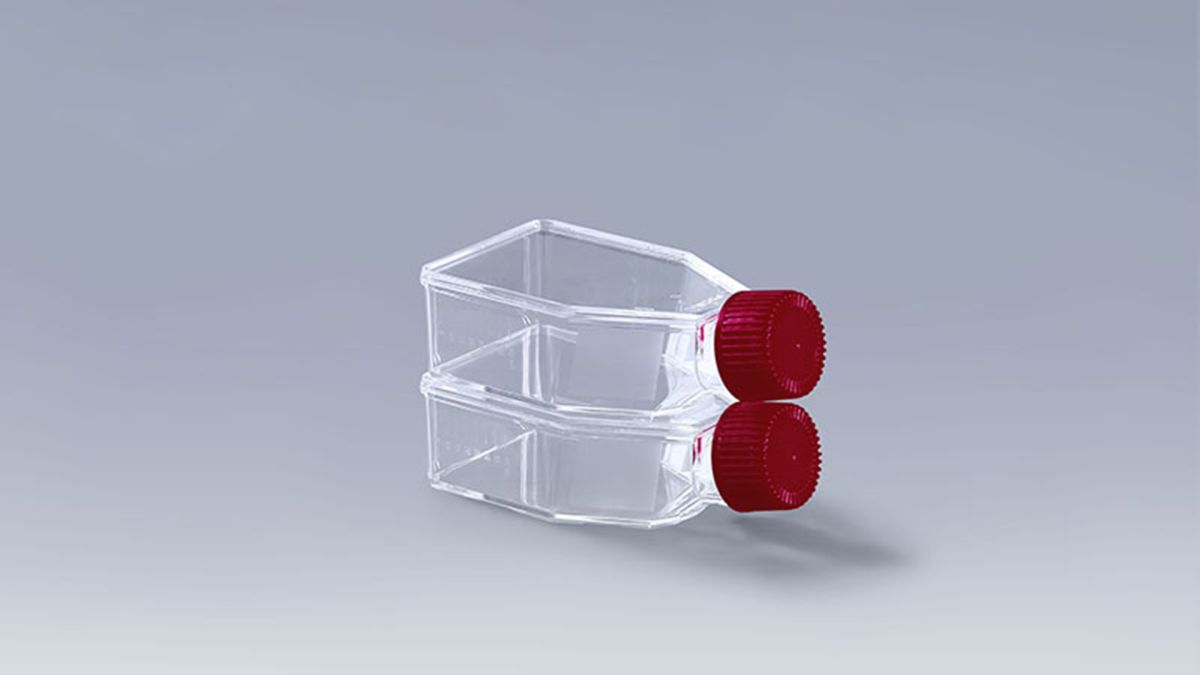
Vero cells are one of the most widely used adherent cell lines in vaccine production, virology research, and biopharmaceutical development. Because Vero cells rely heavily on surface attachment for healthy growth, the surface treatment quality of a Cell Culture Flask directly affects cell adhesion, morphology, proliferation, and experimental reproducibility.
For manufacturers and laboratories working with Vero cells, understanding TC surface treatment standards is essential when selecting a reliable cell culture flask.
Why Vero Cells Require TC-Treated Surfaces
Vero cells are anchorage-dependent cells, meaning they require a suitable surface to attach and spread before proliferation can occur. Standard untreated polystyrene surfaces are hydrophobic and provide poor cell attachment performance.
After TC treatment, the polystyrene surface becomes negatively charged and hydrophilic, significantly improving protein adsorption and cell adhesion capability. This stable surface property allows Vero cells to form uniform attachment and maintain healthy growth conditions during cultivation.
High-quality TC-treated Cell Culture Flask products can provide:
Faster initial cell attachment
Uniform cell spreading
Stable cell proliferation
Reduced detachment during medium exchange
Better reproducibility between batches
These characteristics are particularly important in vaccine manufacturing and large-scale cell culture applications.
Surface Hydrophilicity and Contact Angle Testing
One of the key indicators of TC treatment quality is surface hydrophilicity. Manufacturers commonly evaluate this property using a contact angle measuring instrument.
During testing, three drops of purified water are placed on the treated surface of the culture vessel. The contact angle between the water droplet and the culture surface is then measured.
For high-quality TC-treated Cell Culture Flask products, the contact angle should not exceed 39 degrees.
A lower contact angle indicates better hydrophilicity, which generally corresponds to stronger protein binding and improved cell adhesion performance. Consistent contact angle results also demonstrate stable plasma surface treatment processes during manufacturing.
Plasma Surface Treatment Technology
Modern Cell Culture Flask manufacturing typically uses plasma treatment technology to modify the surface of medical-grade polystyrene.
Plasma treatment introduces polar functional groups onto the surface, transforming hydrophobic polystyrene into a hydrophilic culture surface suitable for adherent cells such as Vero cells.
The advantages of plasma TC treatment include:
Stable surface charge distribution
Enhanced protein adsorption
Improved cell attachment efficiency
Uniform treatment across the growth surface
Long-term surface stability
For Vero cell applications, stable plasma treatment is especially important because inconsistent surface energy can lead to uneven cell growth and experimental variability.
Importance of Surface Consistency in Vaccine Production
Vero cells are extensively used in the production of viral vaccines, including rabies, polio, influenza, and other vaccines. In these applications, the consistency of the Cell Culture Flask surface directly impacts process stability and production yield.
Reliable TC-treated culture surfaces help maintain:
Consistent cell density
Predictable viral infection efficiency
Stable harvest performance
Reduced batch-to-batch variation
Therefore, many laboratories and biopharmaceutical manufacturers evaluate Cell Culture Flask quality not only by sterility and material standards, but also by surface treatment validation and contact angle testing results.
Choosing a Reliable Cell Culture Flask Supplier
When selecting Cell Culture Flask products for Vero cell culture, several factors should be considered:
USP Class VI medical-grade polystyrene materials
Stable plasma TC treatment technology
Verified hydrophilic surface performance
Contact angle validation
Batch consistency
Sterility assurance
A professional manufacturer with strict quality control systems and surface treatment validation processes can provide more reliable support for sensitive adherent cell applications.
Conclusion
The success of Vero cell culture largely depends on the surface quality of the Cell Culture Flask. TC-treated polystyrene surfaces with stable hydrophilic and negatively charged properties provide the ideal environment for adherent cell growth.
Through plasma surface treatment and strict contact angle measurement using professional testing instruments, manufacturers can ensure reliable cell adhesion performance and consistent culture results.
As Vero cell applications continue expanding in vaccine production and biopharmaceutical research, high-quality TC-treated Cell Culture Flask products will remain essential for stable and efficient cell culture processes.